





Dental crowns are a popular solution for improving aesthetics and restoring chewing function effectively. However, crowns are not designed to last forever. After years of use, a crown may deteriorate, lose its tight fit, or develop issues that negatively affect your oral health.
Many people only focus on the appearance of the crown while overlooking warning signs underneath. In reality, delaying the replacement of an old crown can increase the risk of tooth decay, gum inflammation, bad breath, and long-term damage to the natural tooth.
Today, with the support of advanced laser FOTONA technology, laser crown removal has become gentler, less sensitive, and more effective in preserving the original tooth structure.
So, when should you replace an old dental crown? Below are 5 common warning signs you should never ignore.
5 Signs You Need to Replace an Old Crown
Crown Margin Gaps
This is one of the most common signs that it’s time to replace your old dental crown.
Over time, the crown may no longer fit tightly around the prepared tooth. As a result, food particles and bacteria can accumulate in the small gap between the crown and the natural tooth.
If a loose crown is left untreated, it may lead to:
- Tooth decay beneath the crown
- Gum inflammation
- Persistent bad breath
- Ongoing tooth sensitivity
Many patients only discover the issue once pain or severe inflammation develops around the crowned tooth.
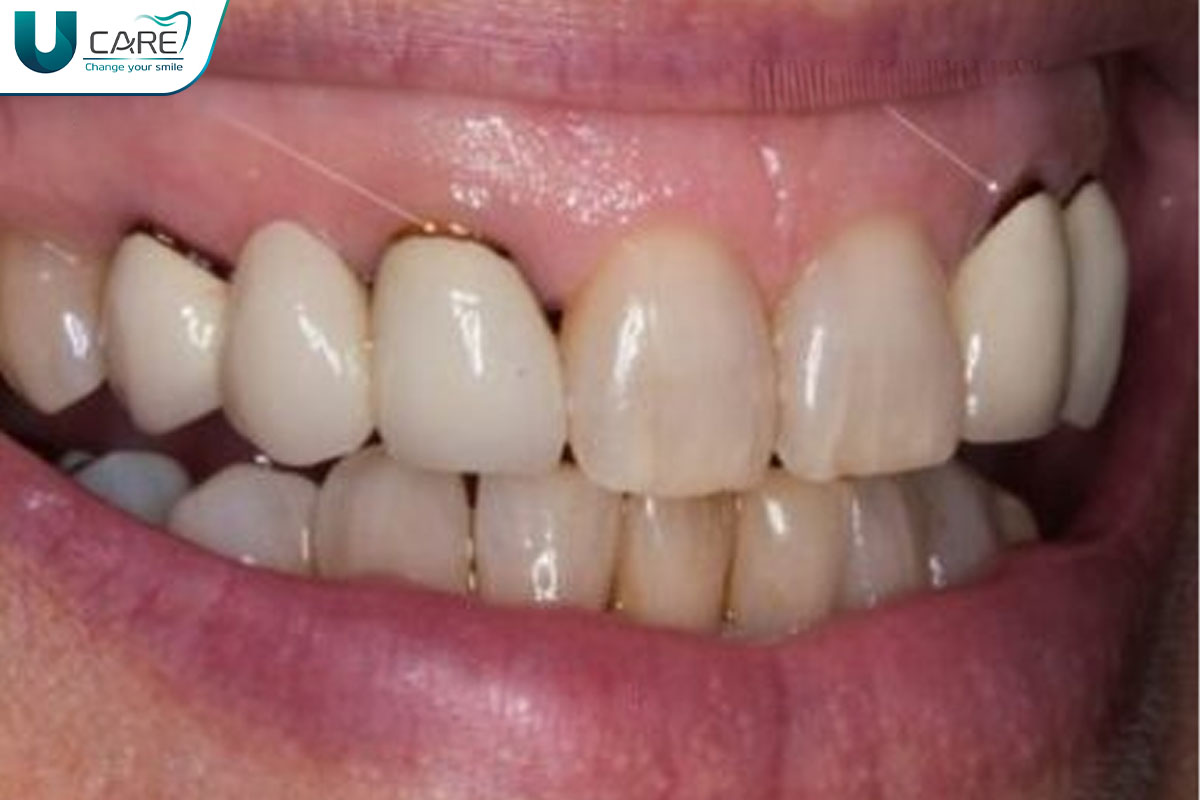
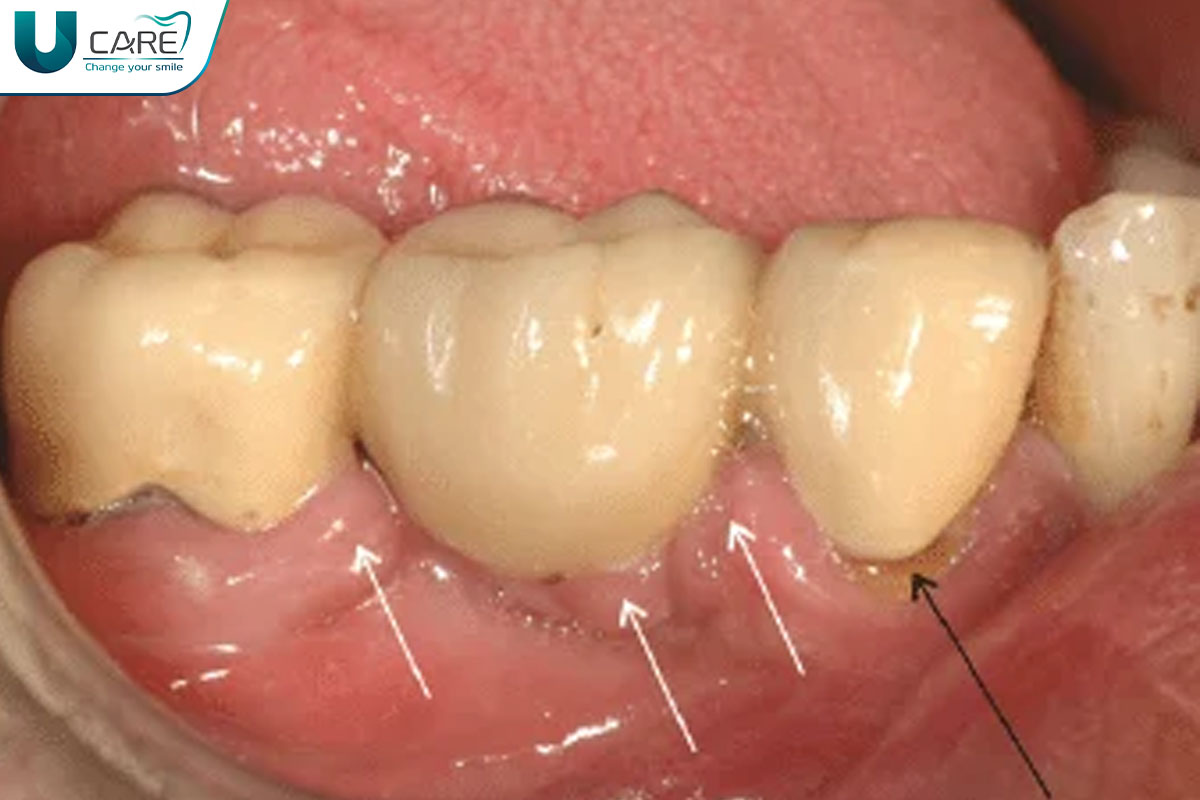
Darkened Gums
Dark or blackened gums around a crowned tooth are common with older crowns, especially metal-based porcelain crowns.
Possible causes include:
- Metal oxidation
- Chronic gum inflammation
- Poor crown fit
This issue not only affects aesthetics but may also indicate irritation of the surrounding gum tissue.
If the gums around your crown become increasingly dark or bleed easily, you should have the area checked as soon as possible.
Persistent Pain or Sensitivity
A properly fitted crown should not cause long-term discomfort after the adjustment period.
If you experience symptoms such as:
- Dull aching pain
- Sensitivity to hot or cold foods
- Pain when chewing
- A bulky or uncomfortable feeling
the causes may include:
- Pulp inflammation
- Tooth decay beneath the crown
- Root inflammation
- An ill-fitting crown
In many situations, the dentist will need to remove the old crown to examine and treat the natural tooth underneath.
Persistent Bad Breath
Some people maintain excellent oral hygiene but still struggle with chronic bad breath.
One common reason is a loose crown or bacterial buildup around the crown over time.
When food becomes trapped in tiny gaps around the crown, bacteria multiply and create unpleasant odors.
If bad breath persists despite professional cleaning and careful brushing, your old crowns should be examined.
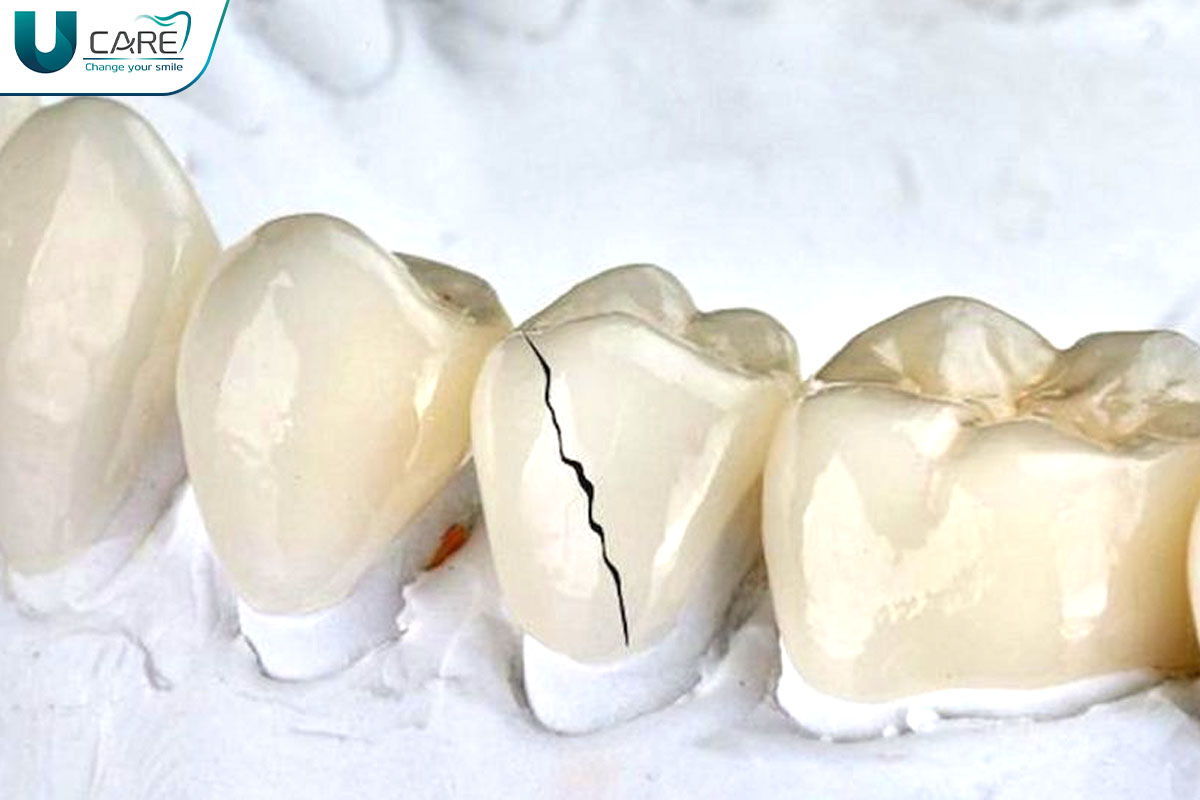
Cracked or Broken Crown
After many years of use, a dental crown may develop:
- Small cracks
- Chipped edges
- Fractured porcelain surfaces
- Loss of natural shine
Even small cracks can weaken the crown and create pathways for bacteria to enter.
Additionally, damaged crowns can negatively affect appearance and daily chewing function.
What Happens If You Delay Replacement?
Many people continue using old crowns despite visible issues because they want to save money or avoid dental treatment.
However, postponing crown replacement can lead to serious long-term consequences.
Increased Risk of Tooth Decay
Bacteria can easily accumulate beneath loose crowns and silently damage the natural tooth.
In many cases, patients only discover the problem when the tooth has already suffered severe damage.
Chronic Gum Inflammation
An ill-fitting crown can continuously irritate the surrounding gum tissue.
Without timely treatment, inflammation may worsen significantly.
Damage to the Natural Tooth
The tooth underneath the crown may gradually weaken if bacteria continue developing unchecked over time.
Aesthetic and Functional Problems
Discolored crowns, dark gum lines, or chronic bad breath can reduce confidence during everyday communication.
How Does FOTONA Laser Help Remove Crowns More Gently?
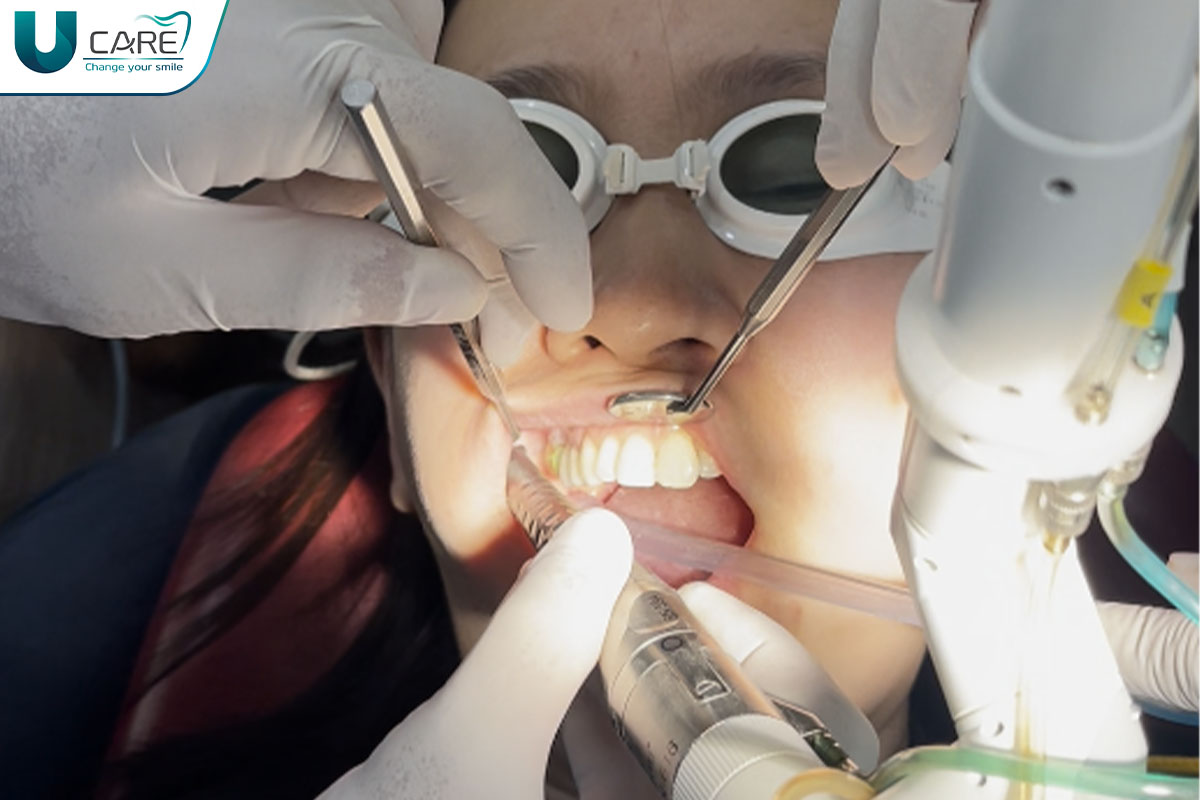
Today, FOTONA laser crown removal is becoming an increasingly popular solution for patients needing crown replacement.
During the procedure, laser energy targets the cement layer bonding the crown to the natural tooth in order to:
- Loosen the bonding material
- Reduce the need for mechanical force
- Minimize impact on the tooth structure
- Improve preservation of the natural tooth
Compared with traditional methods that often require cutting or breaking the crown, laser technology can make crown removal significantly gentler in many cases.
In addition, FOTONA laser technology may help:
- Reduce sensitivity
- Minimize vibration
- Decrease gum irritation
- Shorten treatment time
Many patients report that laser crown removal feels much more comfortable than they originally expected.
FAQ
How often should dental crowns be checked?
It’s recommended to have crowns examined every 3 months to detect early signs of problems.
Is a loose crown dangerous?
Yes. If left untreated, it may lead to tooth decay, gum inflammation, and chronic bad breath.
Is laser crown removal painful?
Most patients only experience mild discomfort or very slight sensitivity during the procedure.
Can old crowns last forever?
No. Over time, crowns can deteriorate and may eventually require replacement if issues develop.
Conclusion
Replacing old dental crowns at the right time helps reduce the risk of tooth decay, gum disease, and long-term damage to your natural teeth.
If you are experiencing signs such as loose crown margins, darkened gums, persistent pain, or chronic bad breath, you should not delay treatment.
Today, FOTONA laser crown removal technology is making the replacement process gentler, less sensitive, and more effective in preserving natural tooth structure.
If you would like to check the condition of your current crowns or replace them with more aesthetic restorations, visit UCARE for an early consultation and personalized treatment plan.
 487B Nguyen Dinh Chieu, Ban Co Ward, HCM City
 Hotline/Zalo: 0932 092 702 – 0914 830 117
 Fanpage: Ucare Dental Website: Nha Khoa Ucare Google Map: Ucare Dental
