




Dental implants are a modern solution for replacing missing teeth, offering high durability and chewing function similar to natural teeth. However, after implant placement, some patients may still experience complications such as peri-implant inflammation if proper care and regular checkups are neglected.
When people discover that an implant is inflamed, many immediately worry about whether the implant must be removed. In reality, not every inflamed implant needs extraction. If detected early and treated properly, the chances of preserving the implant are still relatively high.
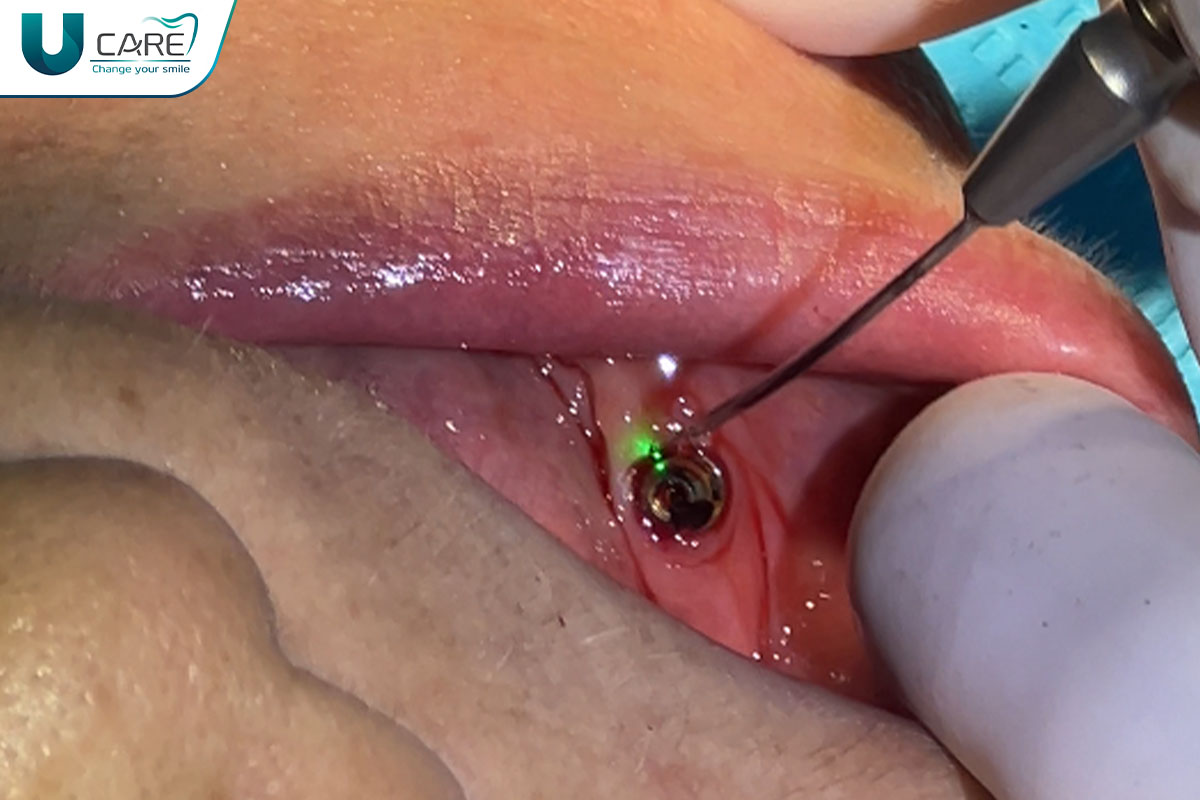
Today, many modern dental clinics use FOTONA laser technology to help control bacteria, reduce inflammation, and improve the tissue surrounding implants more effectively.
So, can an inflamed implant be saved? When does it need to be removed? Let’s explore the details below.
Can an Inflamed Implant Be Saved?
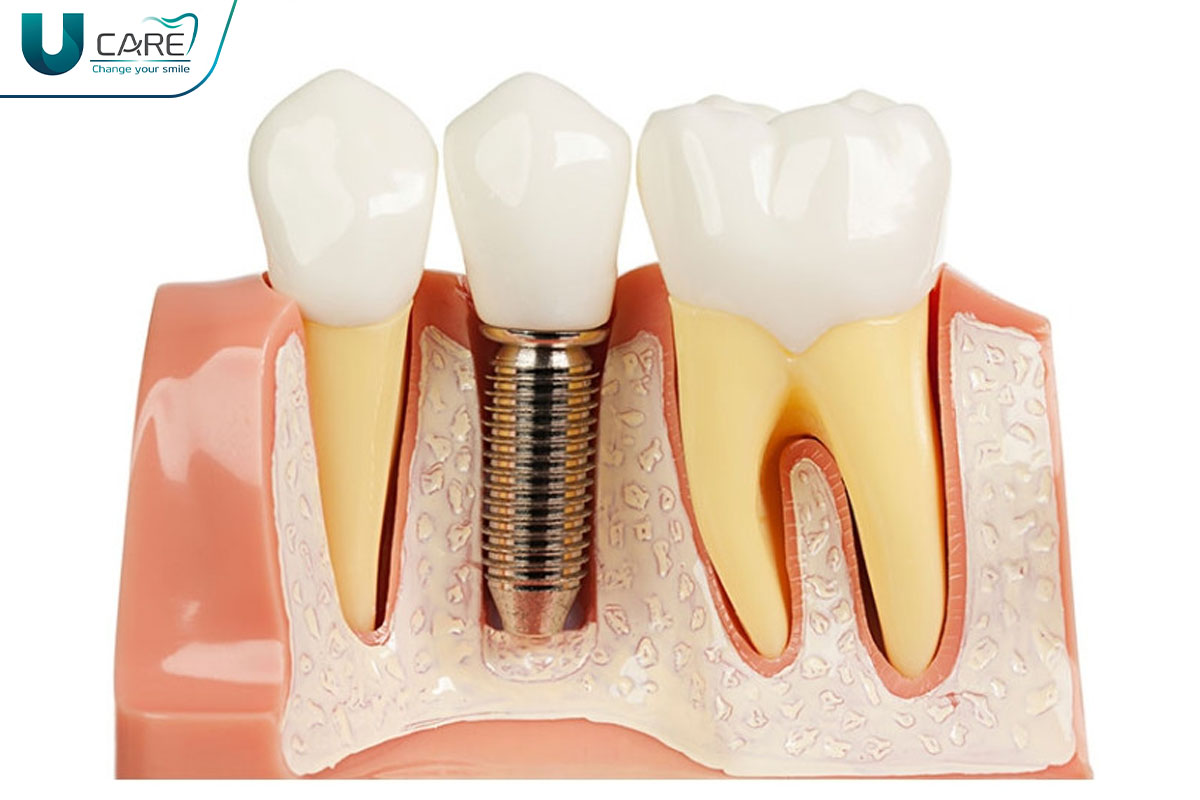
The answer is yes, especially if the inflammation is detected in its early stages.
In most cases, early peri-implant inflammation mainly affects the gum tissue surrounding the implant. At this stage, proper bacterial control and treatment can help improve the condition and preserve the implant.
However, if bacteria continue to spread and cause bone loss around the implant, treatment becomes more challenging.
The possibility of saving an inflamed implant depends on several factors, including:
- The level of bone loss around the implant
- How long the inflammation has been present
- Oral hygiene condition
- The implant’s integration with the jawbone
- The treatment method applied
This is why early detection plays a very important role in implant inflammation treatment.
In many cases, patients only visit the dental clinic after the implant has already started to loosen. At that point, implant preservation becomes significantly more difficult.
Levels of Implant Inflammation
Not every case of an inflamed implant is the same. This condition is generally divided into different stages.
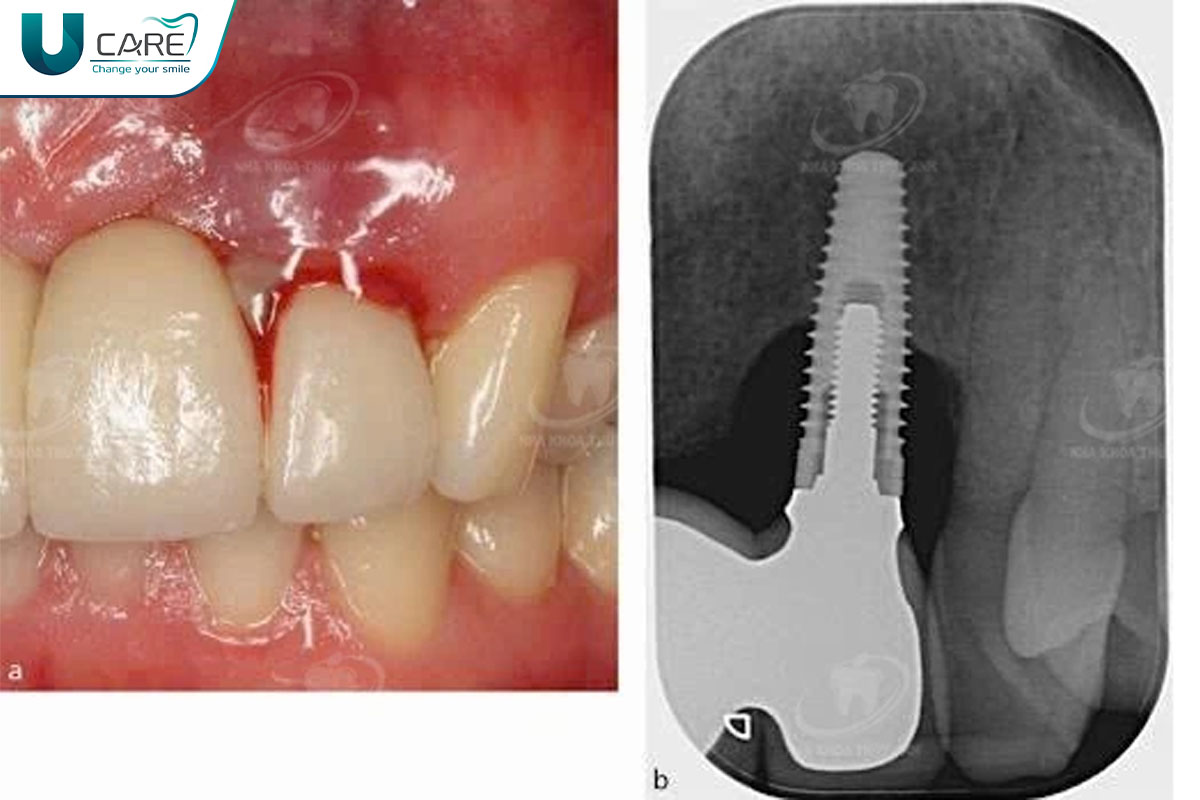
Soft Tissue Inflammation Around the Implant
This is the earliest stage, where inflammation only affects the gum tissue surrounding the implant.
Patients may experience symptoms such as:
- Swollen or red gums
- Bleeding while brushing
- Mild discomfort around the implant
- Slight bad breath
At this stage, treatment and implant preservation success rates are usually quite high if managed properly.
Peri-Implantitis with Mild Bone Loss
When bacteria begin affecting the bone around the implant, the inflammation becomes more serious.
At this stage, patients may notice:
- Persistent gum inflammation
- Inflammatory pockets around the implant
- Pain while chewing
- Increased implant sensitivity
If treated early, implant inflammation treatment can still produce positive results.
Severe Implant Inflammation
This is the most serious stage, where the supporting bone around the implant has experienced significant loss.
Common symptoms include:
- Loose implant
- Noticeable pain
- Pus around the implant
- Difficulty chewing
At this stage, the risk of implant loss becomes much higher if treatment is delayed.
When Does an Implant Need to Be Removed?
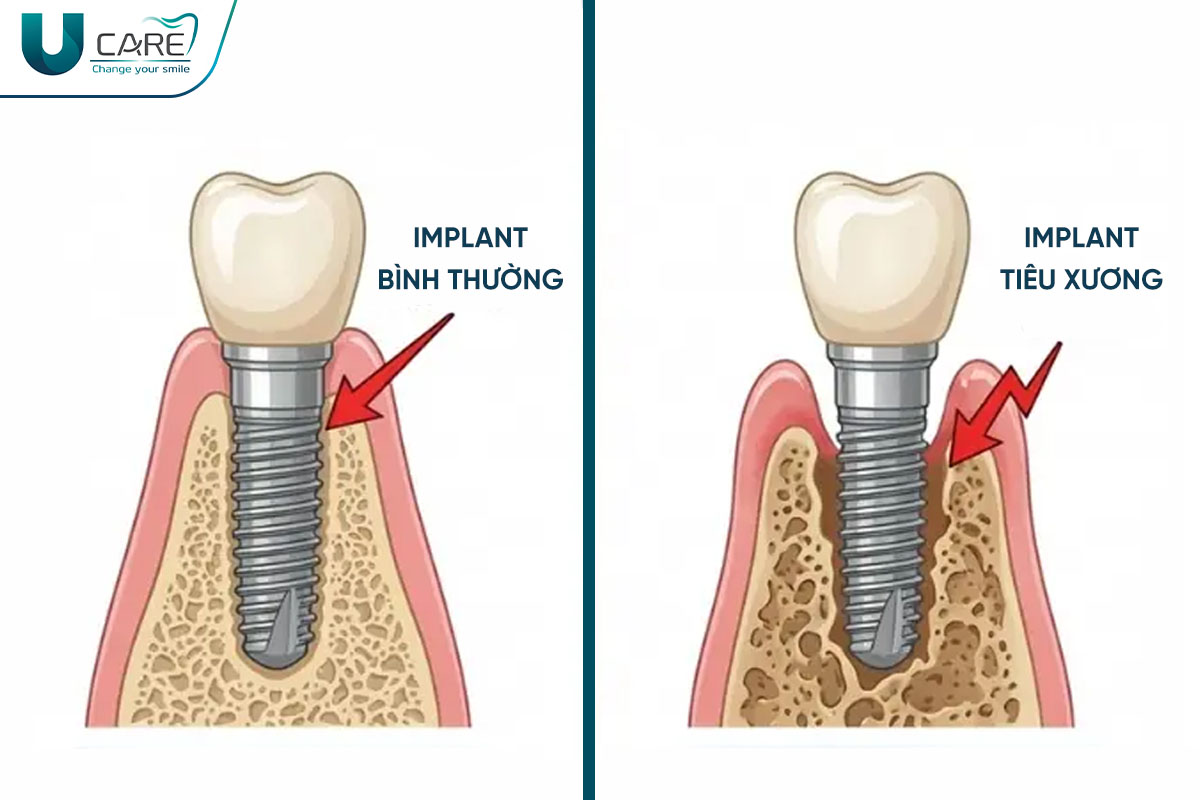
Not every inflamed implant requires removal. However, in some severe situations, the dentist may consider removing the implant to prevent more serious complications.
Loss of Implant Stability
If the implant has become significantly loose due to severe bone loss, the possibility of preservation is often low.
In this situation, implant removal may be necessary to control the inflammation and prepare for another treatment plan.
Persistent Uncontrolled Infection
Some cases involve bacteria continuing to spread despite treatment, causing increasing damage to the surrounding tissue over time.
Extensive Bone Loss
When the bone supporting the implant is severely destroyed, the implant may no longer maintain stable integration with the jawbone.
However, the decision to remove an implant should always be carefully evaluated by the dentist based on the patient’s specific condition.
What Makes FOTONA Laser Treatment Different?
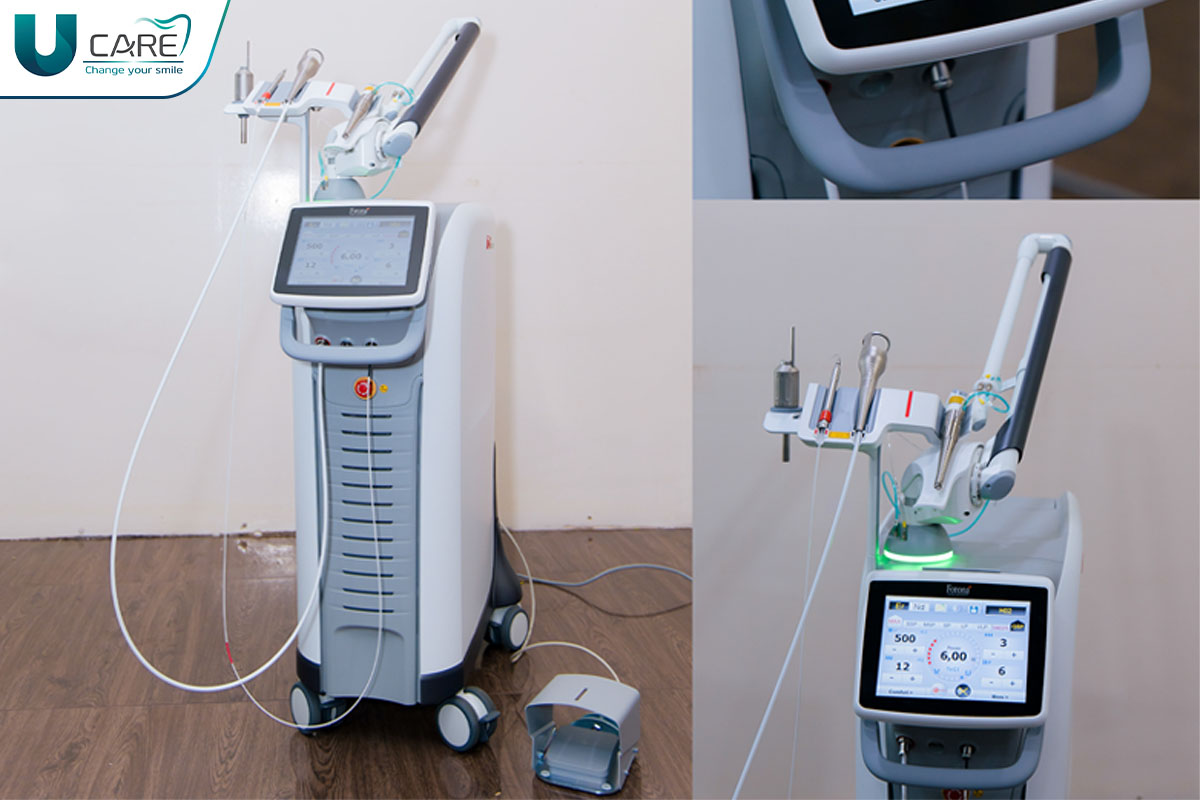
Today, FOTONA laser technology is widely applied in modern dental clinics to support more effective implant inflammation treatment.
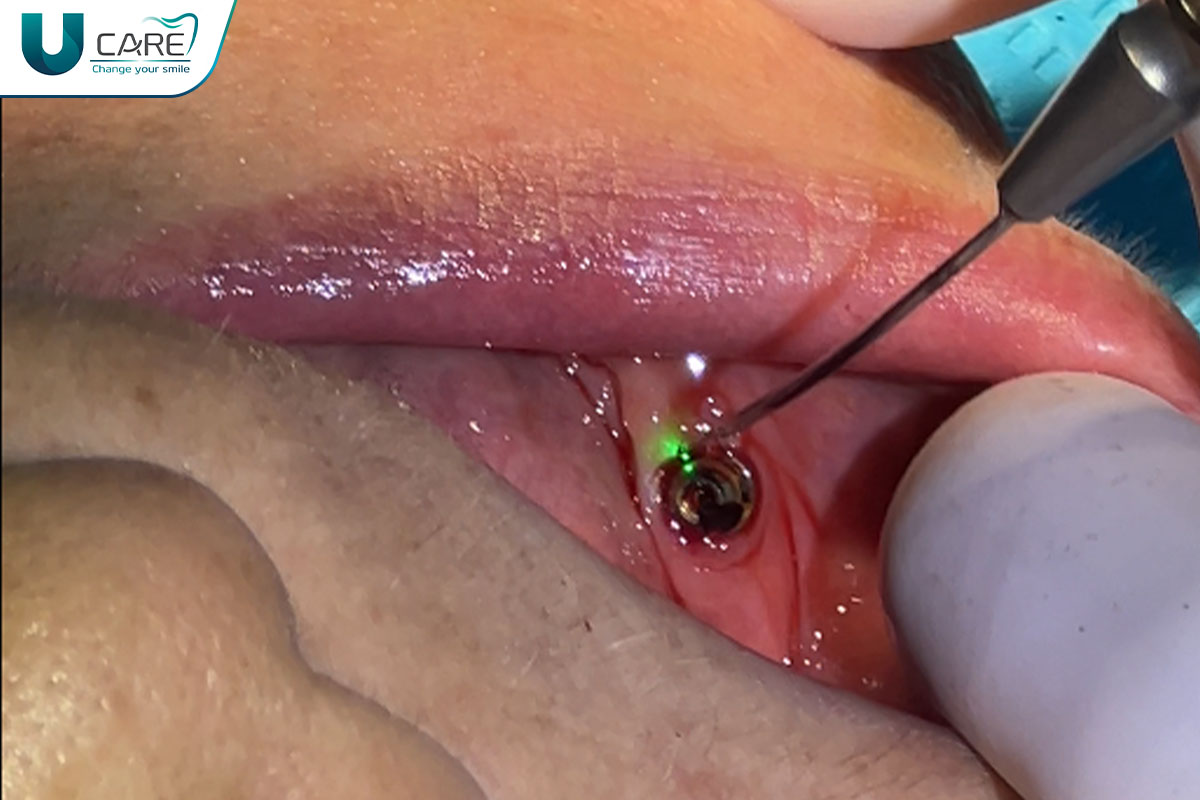
Helps Clean Bacteria Around the Implant
The laser targets inflamed areas around the implant to help remove bacteria and infected tissue.
This improves bacterial control compared to traditional mechanical cleaning alone.
Minimally Invasive to Soft Tissue
One major advantage of FOTONA laser technology is its minimally invasive treatment approach.
As a result, the gum tissue surrounding the implant is often less damaged during treatment.
Helps Reduce Inflammation and Support Tissue Healing
The laser also helps reduce swelling and stimulate soft tissue healing around the implant.
In many cases, patients feel that the treatment process is gentler than traditional methods.
Supports Better Implant Preservation
When intervention happens early, laser technology may help improve the chances of saving an inflamed implant and reduce the risk of implant removal.
Benefits of Early Treatment
Early detection and treatment provide many important benefits for implant patients.
Higher Chance of Preserving the Implant
The earlier treatment begins, the greater the chance of keeping the implant successfully.
Reduced Risk of Bone Loss
Controlling inflammation early helps limit damage to the bone surrounding the implant.
Lower Future Treatment Costs
If inflammation progresses severely, treatment often becomes more complex and expensive.
Less Impact on Daily Activities
Early treatment helps reduce pain and discomfort while improving chewing ability more quickly.
FAQ
Can Implant Inflammation Heal on Its Own?
Usually not. If bacteria around the implant are causing the inflammation, proper treatment is necessary.
Can a Loose Implant Still Be Saved?
This depends on the level of bone loss and the implant’s stability.
Is Implant Inflammation Treatment Painful?
When combined with FOTONA laser technology, discomfort is often significantly reduced.
How Often Should Implants Be Checked?
Implants should generally be checked every three months or earlier according to the dentist’s recommendation.
Conclusion
An inflamed implant does not automatically mean it must be removed. If detected early and treated properly, many cases can still preserve the implant successfully.
Today, FOTONA laser technology is becoming a modern solution for implant inflammation treatment, helping control bacteria and improve the surrounding tissue in a gentler way.
If you notice signs of peri-implant inflammation such as bleeding, bad breath, or persistent discomfort, schedule an early visit at UCARE to receive proper evaluation and suitable treatment recommendations.
 487B Nguyen Dinh Chieu, Ban Co Ward, HCM City
 Hotline/Zalo: 0932 092 702 – 0914 830 117
 Fanpage: Ucare Dental Website: Nha Khoa Ucare Google Map: Ucare Dental
