





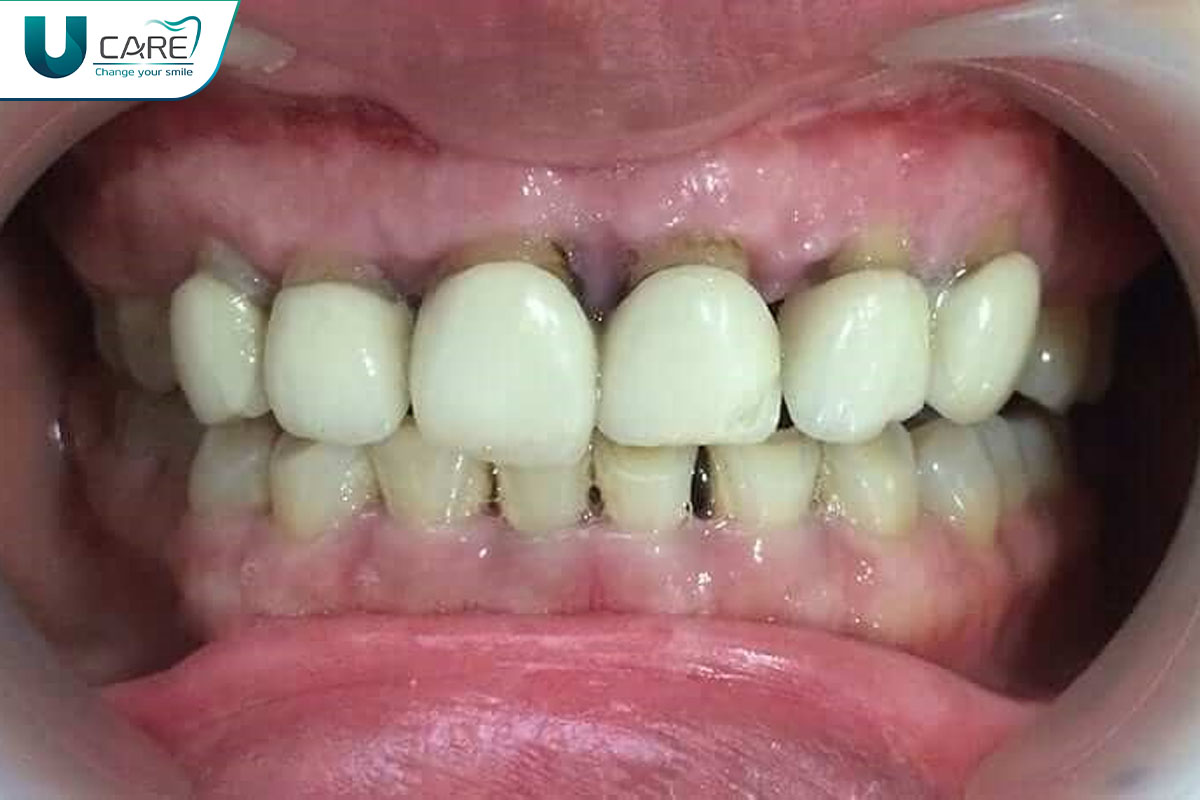
Dental crowns are an effective solution for improving aesthetics and restoring chewing function. However, after years of use, some crowns may develop issues such as loose margins, discoloration, gum inflammation, or discomfort while eating. In these cases, patients may need to remove old crowns for replacement or retreatment.
Many people worry that crown removal will be painful, damage the natural tooth underneath, or require cutting the crown off using traditional mechanical tools. In reality, thanks to modern dental technology, crown removal today has become much gentler with the support of FOTONA laser technology.
Laser-assisted crown removal helps dentists detach old crowns quickly, minimize strong impact on the tooth structure, and improve the ability to preserve the natural tooth underneath.
So when should an old dental crown be removed? How does FOTONA laser work, and what advantages does it offer compared to traditional methods? Let’s explore in detail below.
When Should an Old Dental Crown Be Removed?
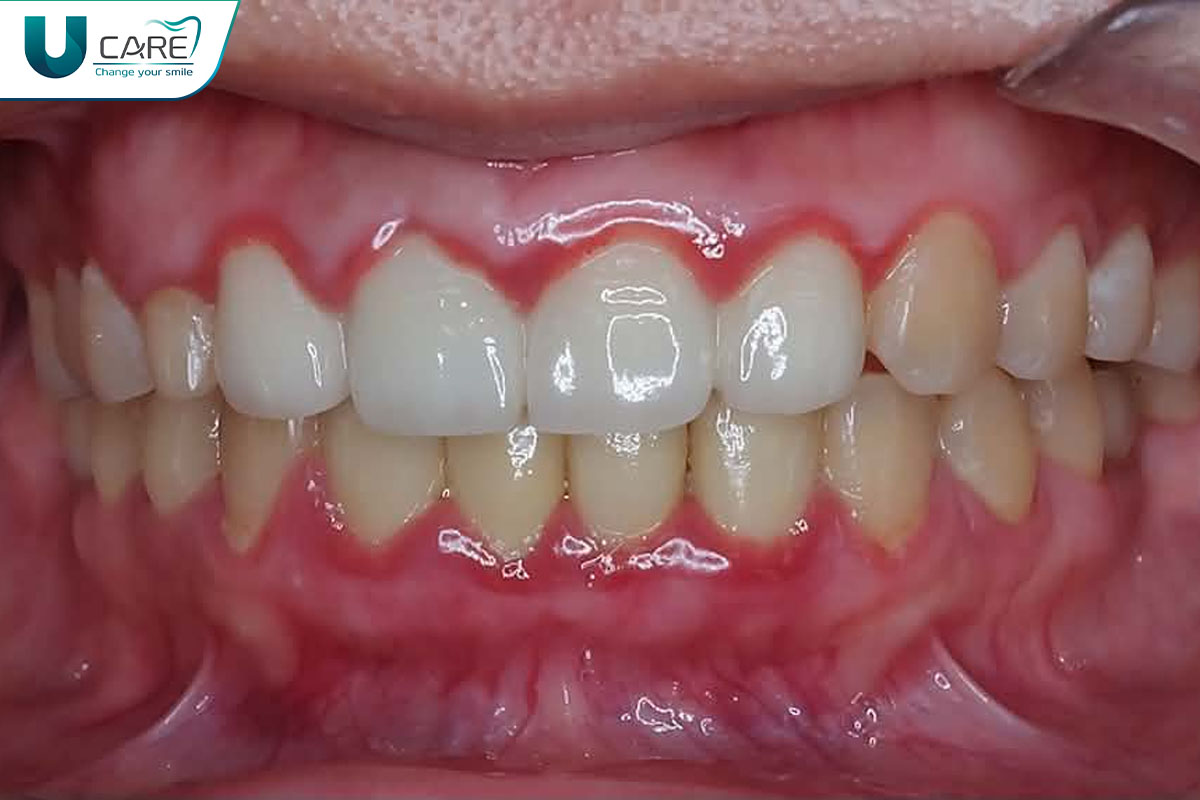
Not every dental crown needs to be removed. However, after many years of use or when unusual symptoms appear, a dentist may recommend removing the crown for evaluation and treatment.
Loose or Open Crown Margins
Over time, a crown may no longer fit tightly around the prepared tooth as it did initially. Food debris and bacteria can accumulate in the gap between the crown and the natural tooth.
If not treated early, this can increase the risk of tooth decay, gum inflammation, and persistent bad breath.
Persistent Pain or Sensitivity
Some people experience ongoing sensitivity or pain around crowned teeth after years of use.
Possible causes include:
- Pulp inflammation
- Decay beneath the crown
- Gum inflammation around the crowned tooth
- An ill-fitting crown
In these situations, the dentist often needs to remove the crown to examine the natural tooth underneath.
Discolored or Unesthetic Crowns
Some older types of dental crowns may become discolored or develop dark margins over time.
This often motivates patients to replace the crown with a newer option for improved aesthetics and greater confidence when speaking or smiling.
Retreatment of the Natural Tooth
If the underlying tooth develops issues such as root canal infection or decay, crown removal becomes necessary so the dentist can properly treat the tooth before restoring it again.
Why Are Many People Afraid of Crown Removal?

Although crown replacement is common, many patients still feel anxious when told they need to remove an old crown.
Fear of Pain and Sensitivity
The natural tooth beneath a crown has usually been reshaped beforehand, so many people worry that removing the crown will be painful or highly sensitive.
This fear is especially common among patients who have experienced traditional crown removal methods in the past.
Concern About Damaging the Natural Tooth
One of the biggest concerns is accidentally damaging the tooth structure underneath during crown removal.
If excessive force or improper techniques are used, the prepared tooth may be affected.
Anxiety About Dental Equipment Noise
Traditional mechanical tools often create loud sounds and vibrations while cutting or removing crowns.
This can make many patients feel stressed or fearful during treatment.
Worry About Long Treatment Time
In some cases, removing old crowns using conventional methods can take a considerable amount of time, especially when the crown is strongly bonded.
For this reason, many patients today are interested in pain-free laser crown removal solutions.
How Does FOTONA Laser Remove Dental Crowns?
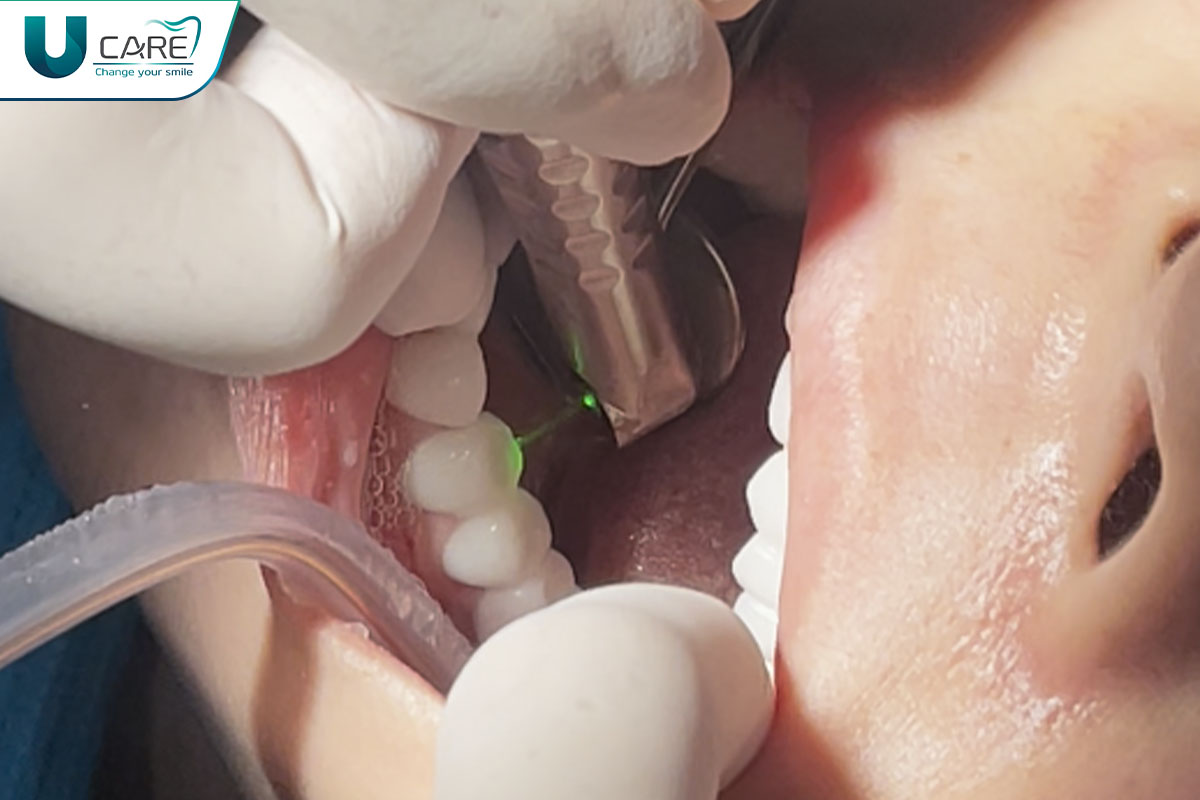
FOTONA is a modern dental laser technology widely used in various dental treatment and aesthetic procedures.
During laser-assisted crown removal, laser energy targets the cement layer between the crown and the natural tooth.
The goals of this technique are to:
- Loosen the bonding cement
- Reduce the need for strong mechanical force
- Minimize impact on the natural tooth
- Improve preservation of the prepared tooth structure
Unlike traditional methods that often require cutting or breaking the crown, laser technology allows for gentler crown removal in many cases.
Thanks to its precise energy delivery, FOTONA laser also helps reduce vibration and discomfort during the procedure.
In some situations, the crown can even be removed intact, allowing the dentist to evaluate or adjust it before replacement.
Additionally, laser technology may help:
- Reduce sensitivity
- Minimize gum irritation
- Shorten treatment time
- Create a more comfortable treatment experience
However, the effectiveness of crown removal still depends on factors such as crown type, cement material, and each patient’s condition.
Advantages of Laser Technology
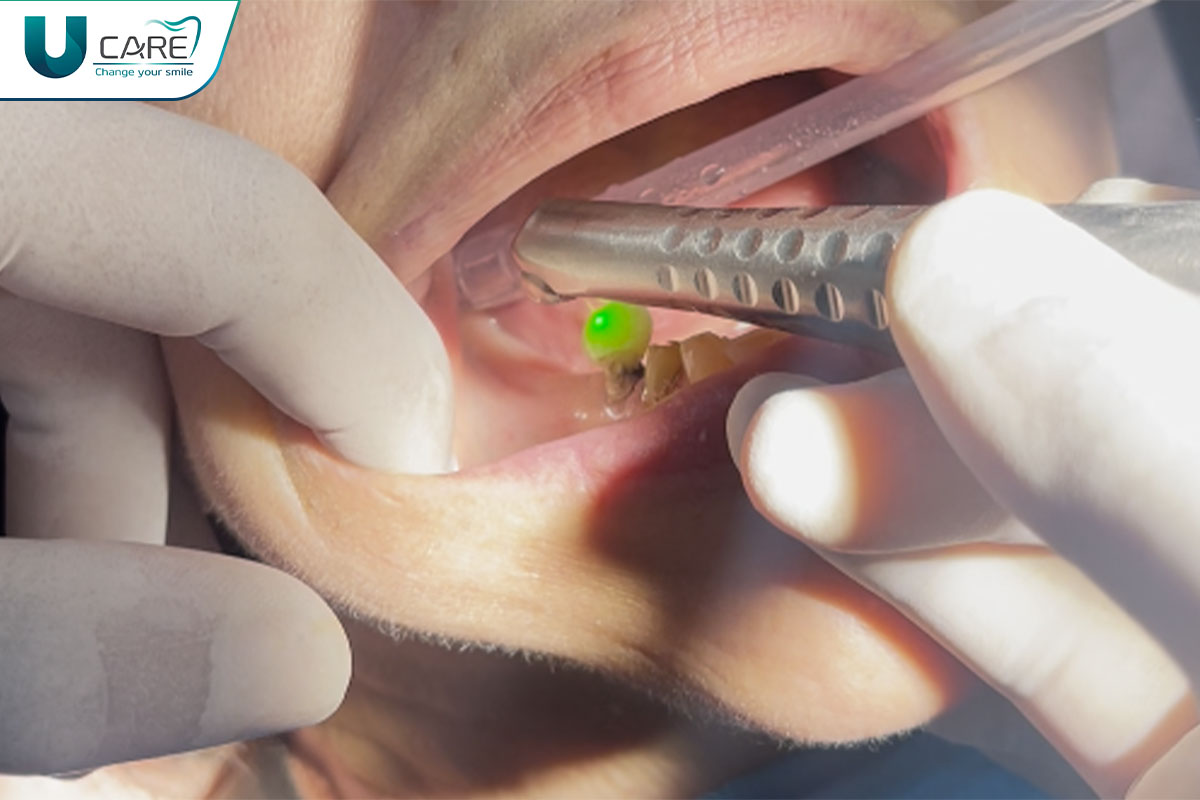
Today, many patients choose pain-free crown removal with FOTONA laser because of its modern benefits.
Reduced Pain and Sensitivity
This is one of the most valued advantages.
By minimizing strong mechanical force on the natural tooth, discomfort during crown removal is often significantly reduced.
Better Preservation of Natural Teeth
Laser-assisted removal is gentler, helping reduce the risk of damaging the prepared tooth underneath.
This is especially important for teeth that have undergone root canal treatment or have weakened structures.
Reduced Gum Tissue Trauma
More precise treatment helps lower the risk of irritation to surrounding soft tissues.
Faster Procedure
In many cases, laser technology can shorten crown removal time compared to traditional methods.
More Comfortable Experience
Many patients who fear dental treatment report that laser crown removal feels more comfortable due to reduced vibration and noise.
Crown Removal Procedure at UCARE
At UCARE, FOTONA laser crown removal is performed through a structured process designed to optimize results and preserve natural teeth.
1. Examination and Crown Evaluation
The dentist examines the condition of the crown, surrounding gums, and underlying tooth to determine the appropriate treatment plan.
2. Oral Cleaning
The tooth and gum area around the crown are cleaned before treatment begins.
3. Crown Removal with FOTONA Laser
The dentist uses specialized laser equipment to loosen the bond between the crown and the natural tooth.
This process is generally gentler and minimizes strong impact on the prepared tooth.
4. Examination of the Natural Tooth
After removing the crown, the dentist evaluates the condition of the underlying tooth to determine whether additional treatment or a new crown is needed.
5. Post-Treatment Care Instructions
Patients receive guidance on proper oral care to help protect the natural tooth long term.
FAQ
Is laser crown removal painful?
Most patients only experience mild discomfort or minimal sensitivity during the procedure.
Does crown removal damage the natural tooth?
When performed correctly, laser technology helps improve preservation of the natural tooth structure.
How long does crown removal take?
Treatment time depends on the type of crown and the specific condition, but usually ranges from 15-45 minutes.
Do I need a new crown immediately after removal?
This depends on the condition of the underlying tooth and the dentist’s treatment plan.
Conclusion
Pain-free crown removal has become much more achievable today thanks to advanced FOTONA laser technology.
With its ability to gently remove crowns, minimize sensitivity, and improve preservation of natural teeth, laser-assisted crown removal is becoming an increasingly popular solution for patients needing crown replacement.
If you are experiencing loose crown margins, pain, or simply want a more aesthetic crown replacement, consider visiting UCARE for an early evaluation and personalized treatment consultation.
 487B Nguyen Dinh Chieu, Ban Co Ward, HCM City
 Hotline/Zalo: 0932 092 702 – 0914 830 117
 Fanpage: Ucare Dental Website: Nha Khoa Ucare Google Map: Ucare Dental
