





Dental implants are considered one of the most durable and effective solutions for replacing missing teeth, offering chewing function and aesthetics similar to natural teeth. However, many people are surprised when, after several years of use, they begin experiencing swelling, bleeding, or bad breath around the implant area.
In reality, implant inflammation after many years is not uncommon. In some cases, inflammation may appear after 1-3 years or even later if bacteria accumulate around the implant and are not properly controlled.
If not detected early, peri-implant inflammation can lead to implant bone loss, causing the implant to loosen and increasing the risk of implant failure over time.
So what causes implant inflammation after several years? How can it be detected and prevented early? Let’s explore the details below.
Is Implant Inflammation Common?
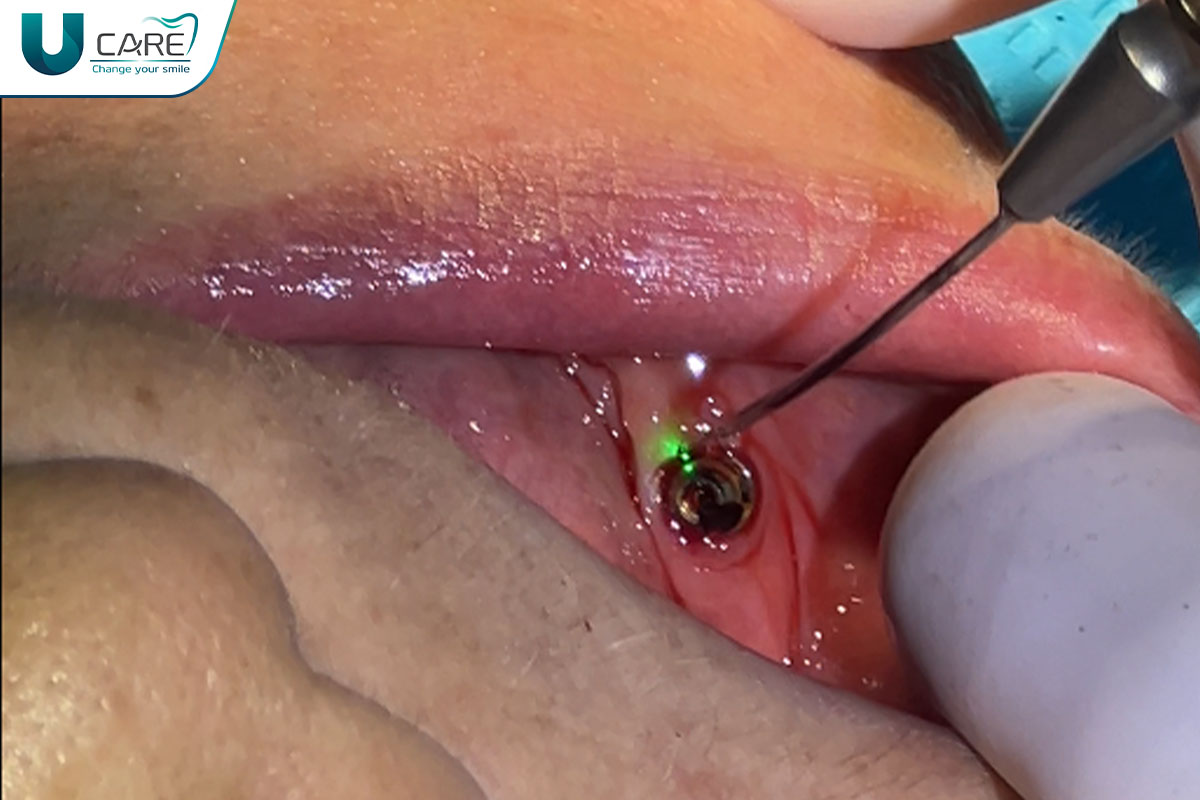
Many people assume that once an implant is successfully placed, they no longer need to worry about oral health issues. However, implants still require regular care and monitoring just like natural teeth.
Today, peri-implant inflammation is relatively common, especially in people who:
- Do not maintain proper oral hygiene
- Have a history of periodontal disease
- Smoke regularly
- Skip routine dental checkups
In the early stages, implant inflammation often progresses silently, making it difficult to notice.
Some people only realize there is a problem when symptoms such as the following appear:
- Bleeding around the implant
- Persistent bad breath
- Swollen or red gums
- Slight implant looseness
This is why regular implant monitoring remains important even if there is no pain.
7 Common Causes of Implant Inflammation
There are many factors that can lead to implant inflammation after many years. Below are the most common causes.
Poor Oral Hygiene
This is the leading cause of peri-implant inflammation.
If plaque and bacteria accumulate around the implant over time, the surrounding gum tissue can become irritated and infected.
Many people believe implants cannot decay, so they become less careful with oral hygiene. However, the gum tissue around implants can still be attacked by bacteria just like natural teeth.
Skipping Dental Checkups
After implant placement, many patients only attend follow-up visits during the first few months and later stop regular checkups.
However, dentists need to monitor:
- Implant stability
- Gum tissue condition
- Signs of bone loss around the implant
- Plaque accumulation
Without routine examinations, inflammation may progress silently for years.
Smoking
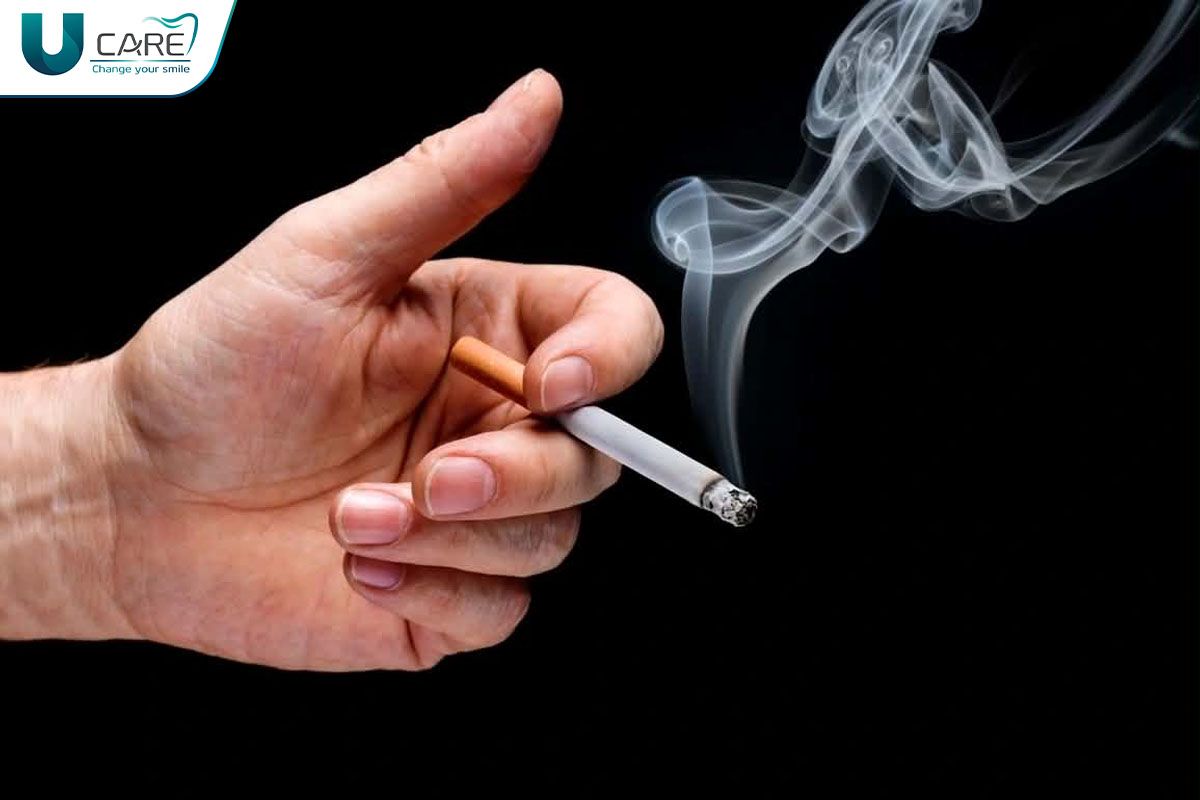
Smoking significantly increases the risk of implant inflammation.
Nicotine negatively affects blood circulation around the gums and reduces healing ability.
In addition, smoking creates a favorable environment for bacteria to grow around implants.
Previous Periodontal Disease
People with a history of periodontal disease are at higher risk of developing peri-implant inflammation if bacteria are not well controlled.
Periodontal bacteria may remain in the oral cavity and affect implant areas over time.
Tartar Accumulation Around the Implant
If tartar is not cleaned regularly, bacteria can easily develop around the implant structure.
This is a common cause of peri-implant tissue inflammation and increases the risk of implant bone loss.
Excessive Chewing Pressure
In some cases, implants exposed to excessive chewing force over long periods may experience damage to the surrounding supporting tissues.
This can increase implant sensitivity and the risk of inflammation.
Poor Post-Implant Care
Failure to follow post-treatment care instructions after implant placement may also increase the risk of future peri-implant complications.
How Can Implant Inflammation Be Detected Early?
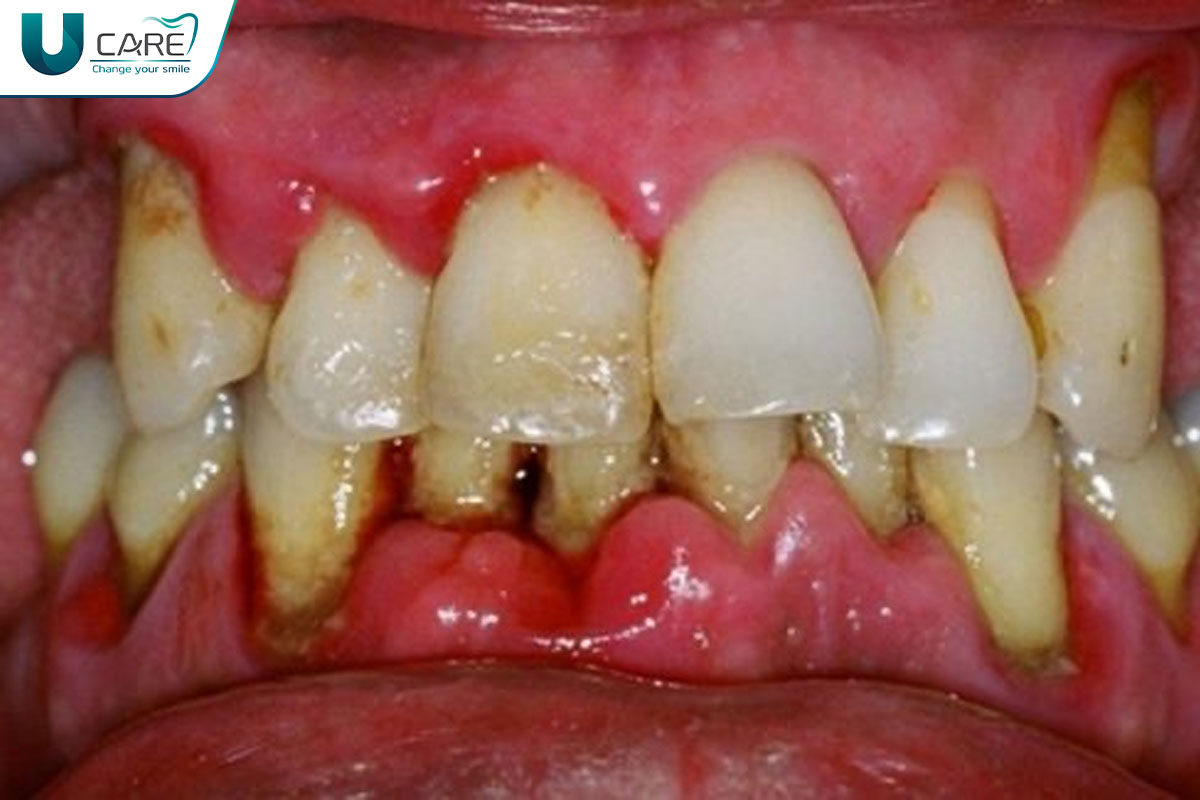
Implant inflammation often develops quietly, causing many people to overlook the early warning signs.
However, if you pay close attention, early symptoms may include:
- Bleeding while brushing around the implant
- Red or swollen gums around the implant
- Persistent bad breath
- Discomfort while chewing
- Unusual implant sensitivity
In more severe cases, the implant may begin to loosen due to damage to the supporting bone.
Besides self-monitoring at home, regular dental checkups help dentists detect early signs of implant bone loss through X-rays and clinical examinations.
How to Prevent Implant Inflammation
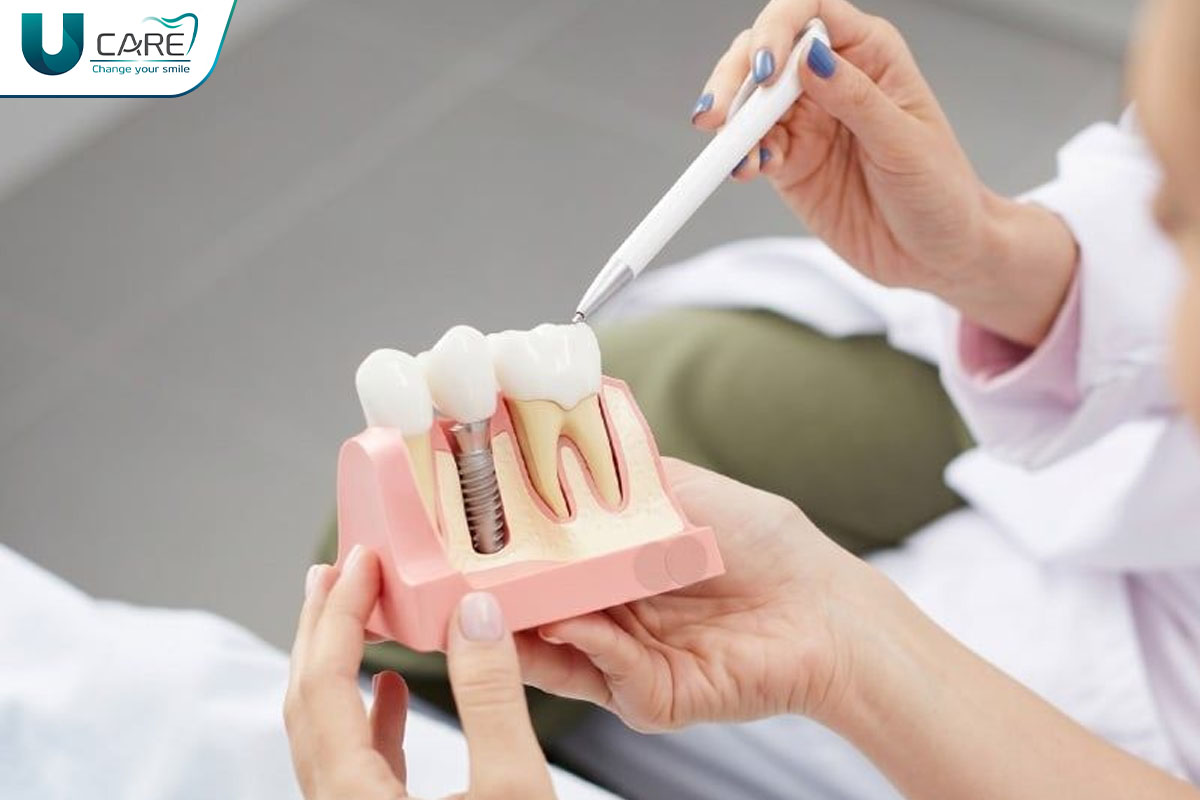
Although implants are highly durable, proper care remains essential for maintaining long-term results.
Clean Implants Thoroughly Every Day
Brush your teeth at least twice daily and use dental floss or a water flosser to clean around implants effectively.
Attend Regular Checkups
Routine implant examinations every three months or earlier help detect early signs of inflammation or bone loss.
Remove Tartar Regularly
Professional dental cleaning helps reduce bacterial buildup around implants.
Limit Smoking
Reducing or quitting smoking can improve gum health and lower the risk of implant inflammation.
Treat Abnormal Symptoms Early
If you experience bleeding, swelling, pain, or bad breath around an implant, seek dental evaluation early rather than waiting for symptoms to worsen.
FAQ
Is Implant Inflammation After Many Years Dangerous?
Yes. Without early treatment, implant inflammation can cause bone loss and reduce implant stability.
Does Implant Inflammation Hurt?
Some cases only cause mild discomfort, while severe inflammation may result in significant pain.
How Often Should Implants Be Checked?
Implants should generally be examined every three months or earlier according to the dentist’s recommendation.
Can Implant Bone Loss Be Reversed?
This depends on the severity of bone loss and how early the condition is detected.
Conclusion
Implant inflammation after many years is not uncommon when implant care and monitoring are insufficient.
Factors such as poor oral hygiene, smoking, skipped dental checkups, and a history of periodontal disease can all increase the risk of peri-implant inflammation and lead to implant bone loss.
Early detection and timely treatment play a very important role in preserving implants long term.
If you notice unusual symptoms around your implant such as bleeding, bad breath, or persistent gum swelling, schedule an early examination at UCARE for professional evaluation and appropriate treatment recommendations.
 487B Nguyen Dinh Chieu, Ban Co Ward, HCM City
 Hotline/Zalo: 0932 092 702 – 0914 830 117
 Fanpage: Ucare Dental Website: Nha Khoa Ucare Google Map: Ucare Dental
