





Snoring is a very common condition among adults. Many people assume that snoring is simply a normal sleeping habit and often ignore it. However, if snoring occurs frequently and persists over time, it may be a sign that the airway is partially obstructed during sleep.
Snoring not only affects sleep quality but can also negatively impact overall health and daily life. That is why more people are now searching for modern laser snoring treatment solutions that are gentler than traditional surgery.
Today, FOTONA laser technology is being applied to help improve snoring by targeting the soft tissues in the throat area without the need for surgery.
So how does this treatment work, and is it really effective? Let’s explore the details below.
Causes of Snoring
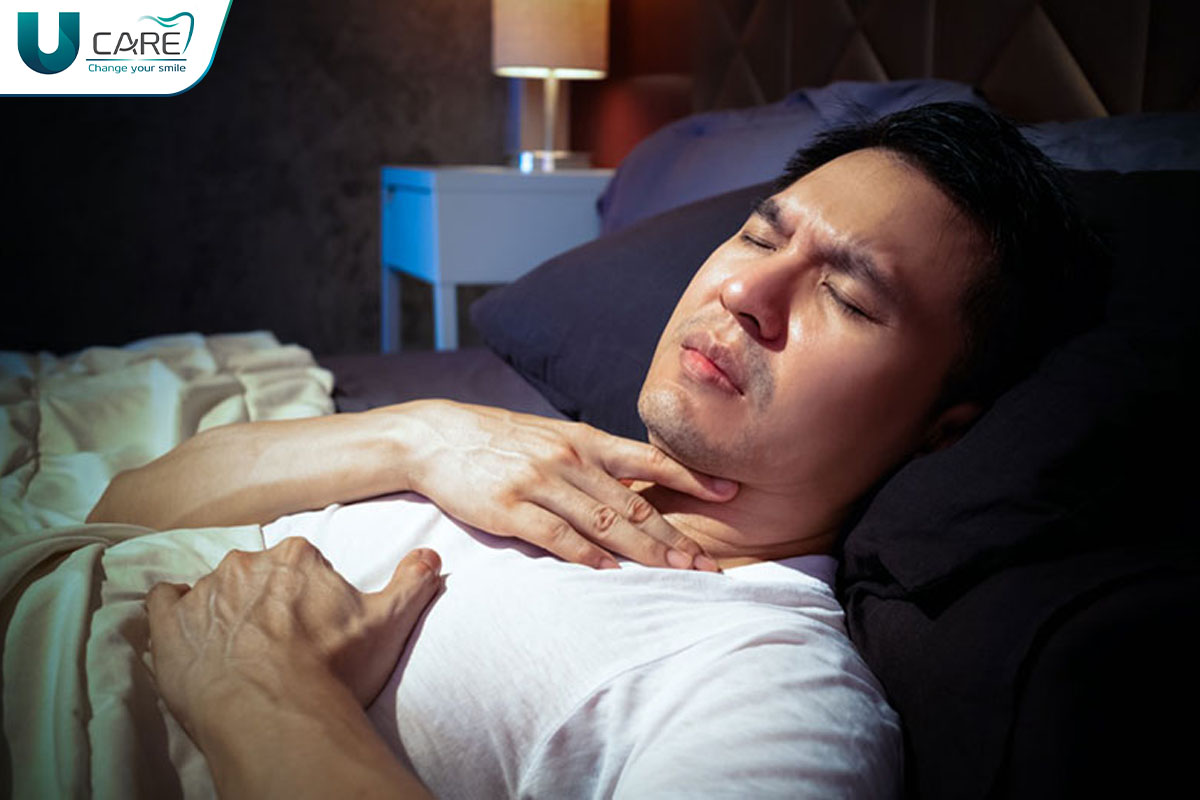
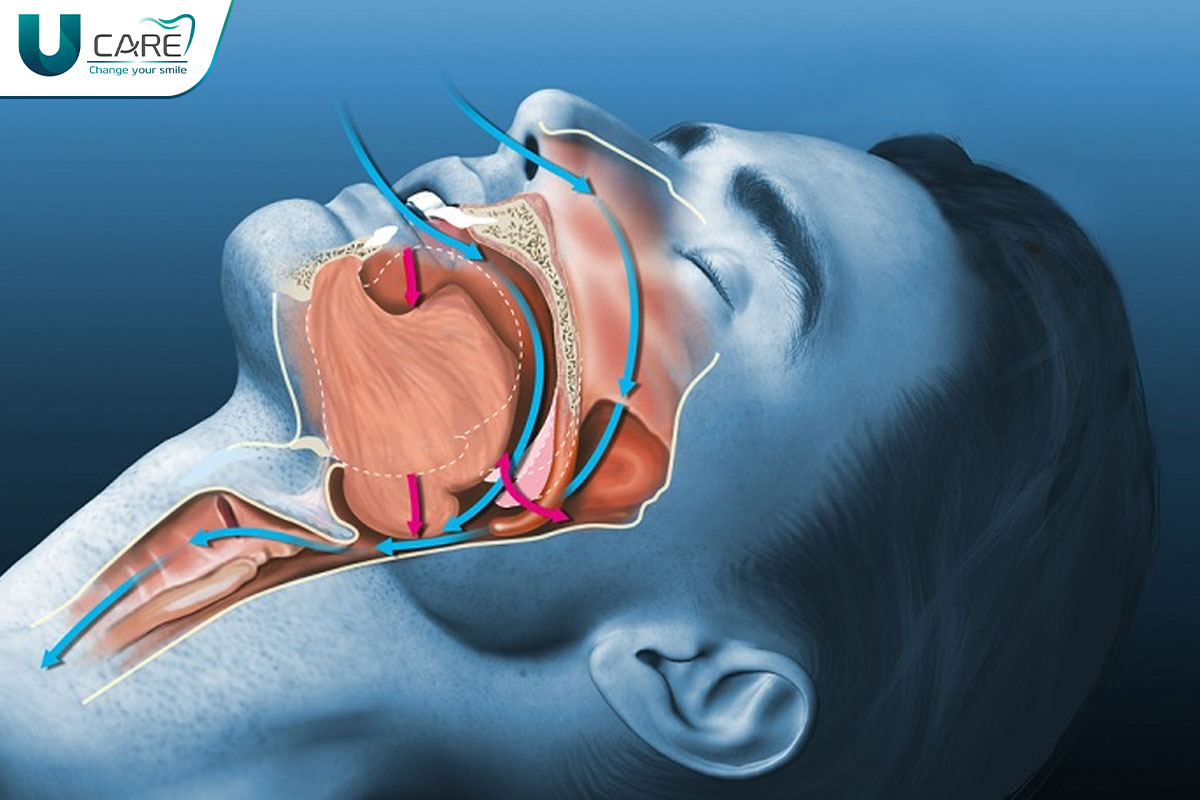
Snoring occurs when airflow through the airway becomes partially blocked during sleep. As air passes through, the soft tissues in the throat vibrate and create the snoring sound.
There are many causes of snoring.
Loose Soft Tissue in the Throat
Over time, the soft tissues in the soft palate and throat can become more relaxed and loose.
During sleep, these tissues vibrate more easily as air passes through, producing snoring sounds.
Excess Weight
People who are overweight often have extra fatty tissue around the neck and throat, which narrows the airway during sleep.
This is one of the most common reasons snoring becomes more severe.
Chronic Nasal Congestion
Rhinitis, allergies, or long-term nasal congestion can make breathing through the nose more difficult.
As a result, airflow changes and the risk of snoring increases.
Lifestyle Habits
Alcohol consumption, smoking, and staying up late regularly may cause the throat muscles to relax excessively during sleep.
This increases soft tissue vibration and contributes to snoring.
How Does Snoring Affect Health?
Many people think snoring only disturbs the person sleeping nearby. However, long-term snoring may have several negative health effects.
Reduced Sleep Quality
People who snore often experience shallow sleep and wake up feeling tired.
Some may also feel sleepy throughout the day.
Breathing Problems During Sleep
Loud snoring or snoring combined with sleep apnea may reduce oxygen levels in the body during sleep.
This issue should be monitored early to reduce long-term health risks.
Effects on Daily Life and Mental Well-Being
Persistent snoring can affect quality of life and family relationships.
Many people feel embarrassed or stressed because of loud snoring.
How Does FOTONA Laser Treat Snoring?
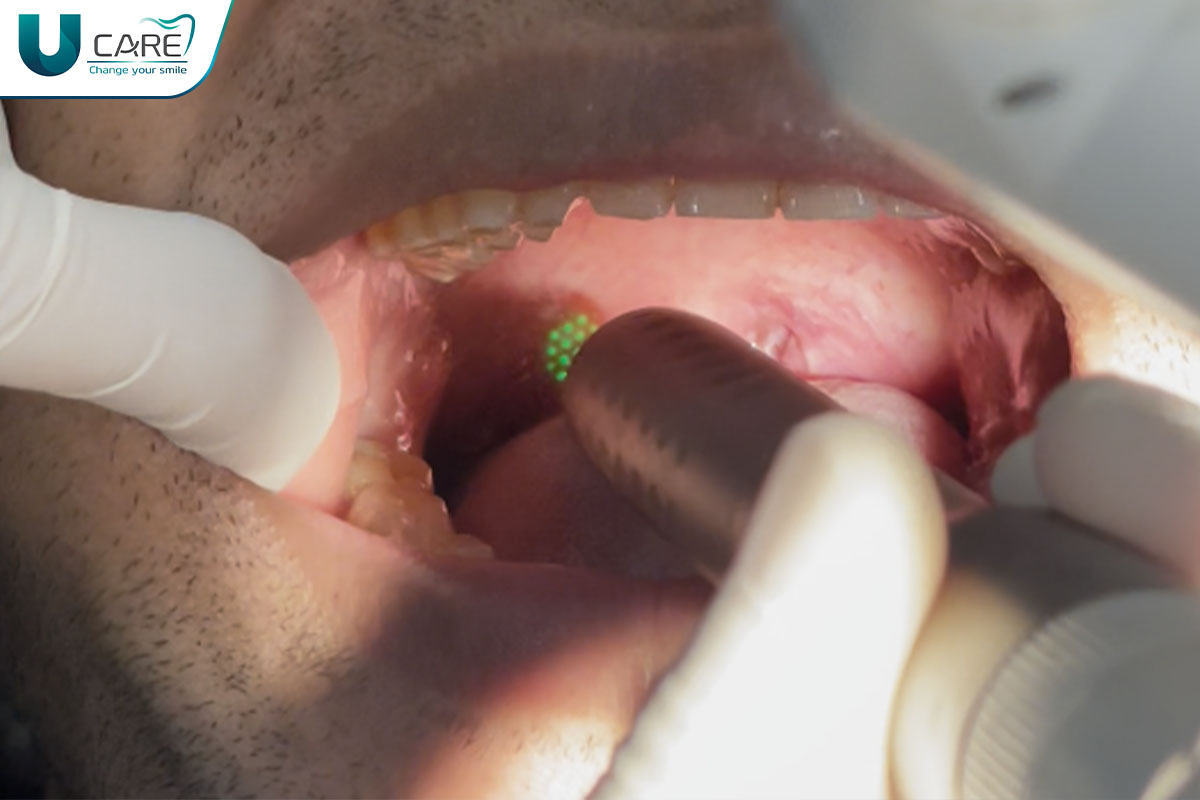
Today, laser snoring treatment is gaining attention because it may help improve snoring without surgery.
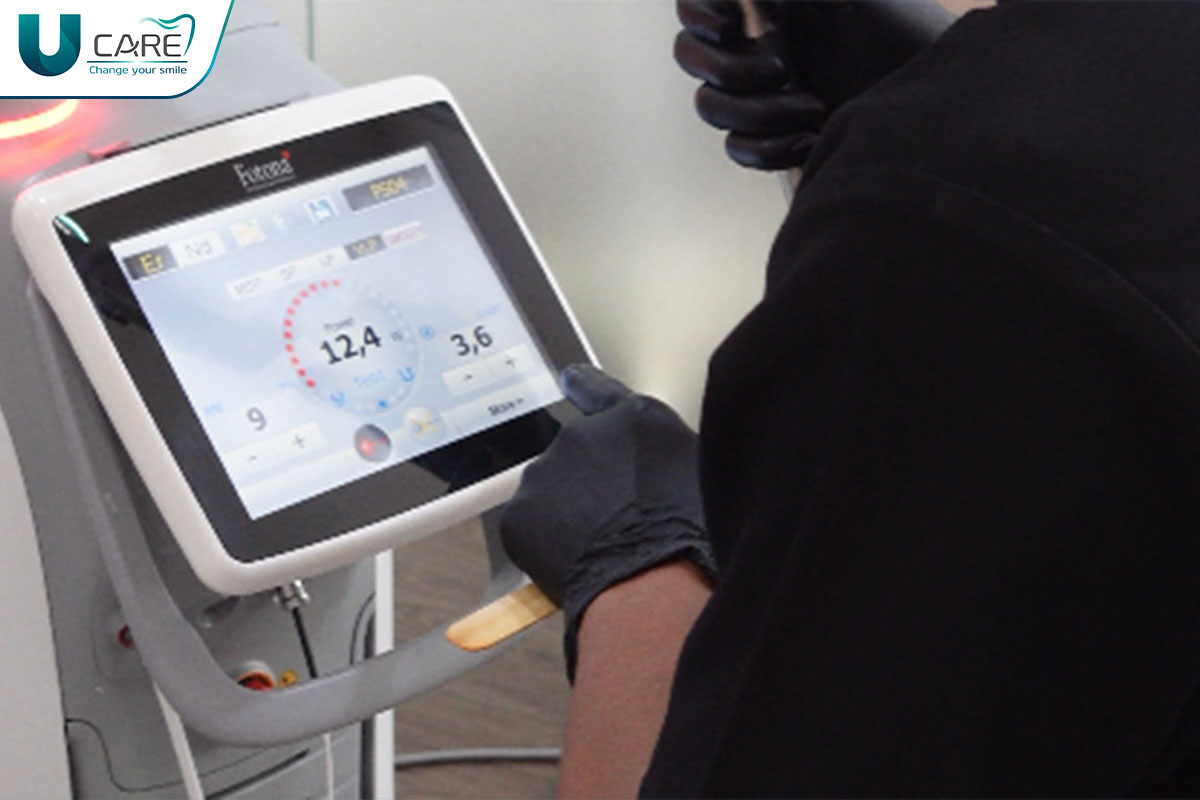
FOTONA laser technology works by delivering laser energy to the soft tissues inside the mouth and throat.
The goals of this method include:
- Helping tighten soft tissues
- Reducing vibration in the soft palate
- Supporting airway expansion
- Improving airflow during sleep
During treatment, the laser creates a gentle heating effect that stimulates collagen production in the throat tissues.
As a result, the tissues become firmer and vibrate less during sleep.
Unlike traditional surgical methods, FOTONA laser treatment does not require cutting or removing tissue, making the procedure generally more comfortable.
Many patients report feeling more comfortable after treatment, with snoring gradually improving over time.
However, treatment effectiveness still depends on the cause and severity of each individual’s snoring condition.
Advantages of the Treatment
Non-Surgical
This is one of the biggest reasons why many people choose laser snoring treatment.
The procedure does not require cutting tissue or invasive surgery, significantly reducing trauma.
Minimal Pain
Because no surgery is involved, pain and discomfort are usually much lower compared to traditional treatments.
Most patients only feel mild warmth during the procedure.
Quick Procedure
A laser treatment session is typically completed quite quickly.
Many people can return to normal daily activities immediately afterward without a long recovery period.
Who Is Suitable for This Treatment?
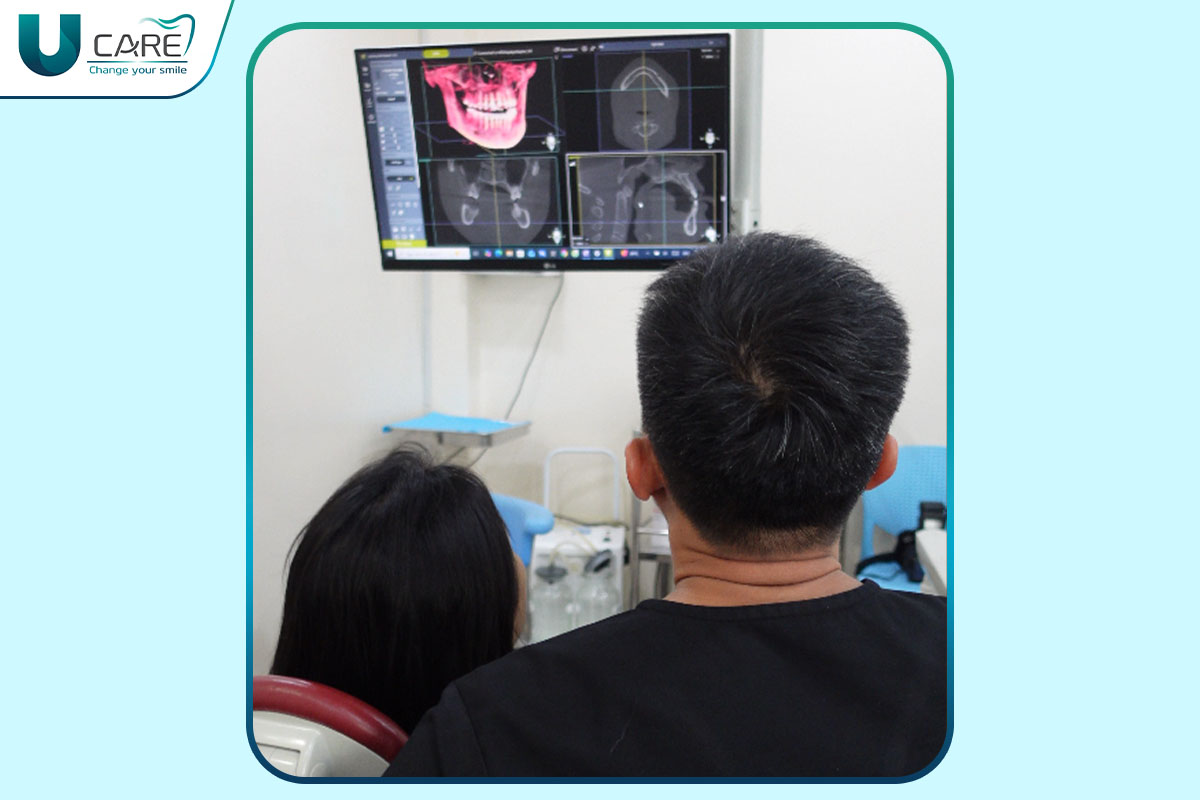
Not everyone who snores is a suitable candidate for FOTONA laser treatment.
Dentists or specialists will usually evaluate the cause and severity of snoring before recommending treatment.
This method is commonly suitable for:
- People whose snoring is caused by loose throat tissues
- Individuals who want to avoid surgery
- Patients with mild to moderate snoring
- People looking to improve sleep quality
However, in severe sleep apnea cases or significant airway structural abnormalities, additional treatment methods may still be necessary.
FAQ
Is Laser Snoring Treatment Painful?
Most patients only feel mild warmth or minimal discomfort during the procedure.
How Many Sessions Are Needed?
The number of sessions depends on the severity of the snoring condition and the doctor’s evaluation.
Is Recovery Time Needed After Treatment?
Most patients can resume normal activities almost immediately after treatment.
How Long Do the Results Last?
This depends on individual conditions, lifestyle habits, and the underlying causes of snoring.
Conclusion
Snoring not only affects sleep quality but may also negatively impact long-term health if not properly managed.
Today, laser snoring treatment with FOTONA laser technology is becoming a modern solution that helps improve snoring more gently without surgery.
Thanks to its advantages such as minimal pain, quick treatment time, and reduced invasiveness, this method is attracting increasing attention from people seeking modern snoring treatment solutions.
If you or your loved ones experience persistent snoring, consider scheduling an early consultation at UCARE for professional evaluation and personalized treatment recommendations.
 487B Nguyen Dinh Chieu, Ban Co Ward, HCM City
 Hotline/Zalo: 0932 092 702 – 0914 830 117
 Fanpage: Ucare Dental Website: Nha Khoa Ucare Google Map: Ucare Dental
