





Many people believe that bleeding gums are only a temporary issue caused by brushing too hard or body heat. However, if this happens frequently, especially while brushing or eating – it could be an early warning sign of periodontal disease.
In reality, periodontal disease often develops silently. It may begin with mild gum swelling or bleeding, but if left untreated, it can lead to bone loss, loose teeth, and even permanent tooth loss.
Today, many modern dental clinics apply deep clean treatments combined with FOTONA laser technology to support deep cleaning below the gumline, control bacteria, and improve gum inflammation more effectively.
So, are bleeding gums dangerous? When is advanced gum treatment necessary? Let’s explore below.
Why Do Gums Bleed While Brushing?
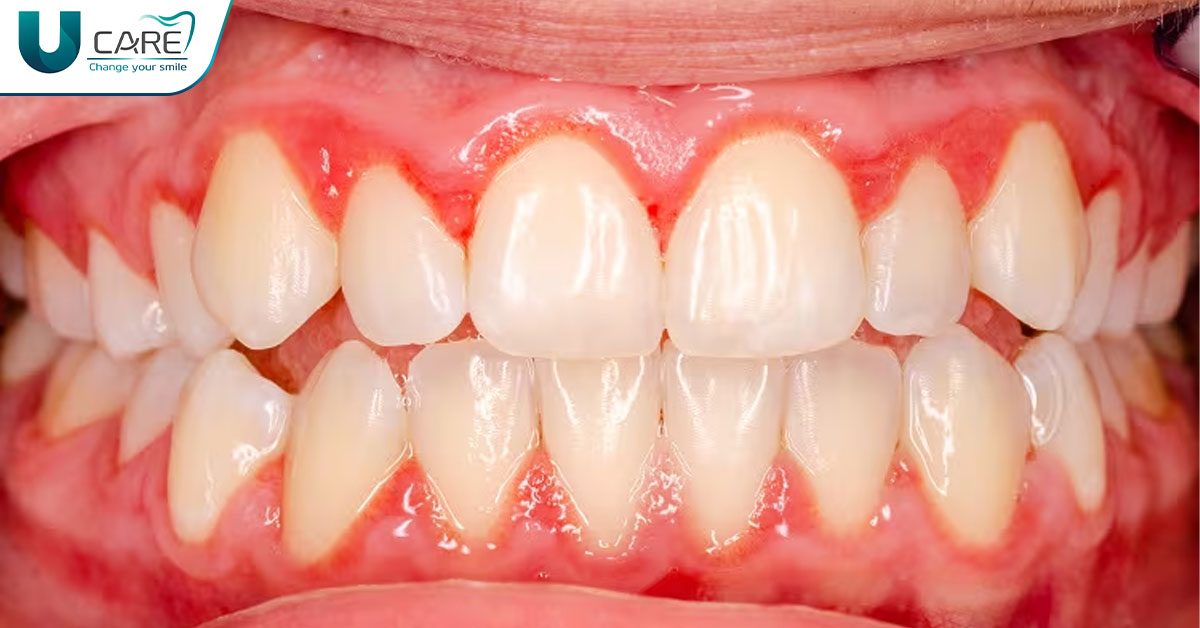
Many people experience bleeding gums when brushing but tend to ignore it. In fact, this is often a sign that the gums are inflamed or damaged.
Plaque and Bacteria Buildup
The most common cause of bleeding gums is the buildup of bacteria and plaque around the gumline. When not cleaned properly, bacteria irritate the gums and cause inflammation.
At this stage, even light brushing may trigger bleeding.
Early-Stage Gingivitis
Bleeding gums are often an early symptom of gingivitis – the initial stage before it progresses into periodontal disease.
If detected early, the condition can usually improve through proper oral care and appropriate dental treatment.
Tartar Below the Gumline
In many cases, tartar does not only form on the tooth surface but also accumulates deep beneath the gums. This creates an ideal environment for bacteria to grow and cause long-term inflammation.
At this point, regular teeth cleaning may no longer be effective enough, and dentists may recommend a deep clean procedure.
Incorrect Brushing Technique
Using a toothbrush with hard bristles or brushing too aggressively can also damage the gums. However, if bleeding continues regularly, it should not be ignored.
Warning Signs of Periodontal Disease
Periodontal disease occurs when bacteria attack the gum tissue and supporting structures around the teeth. Because the disease progresses quietly, many people only notice it at a severe stage.
Common warning signs include:
Persistent Bleeding Gums
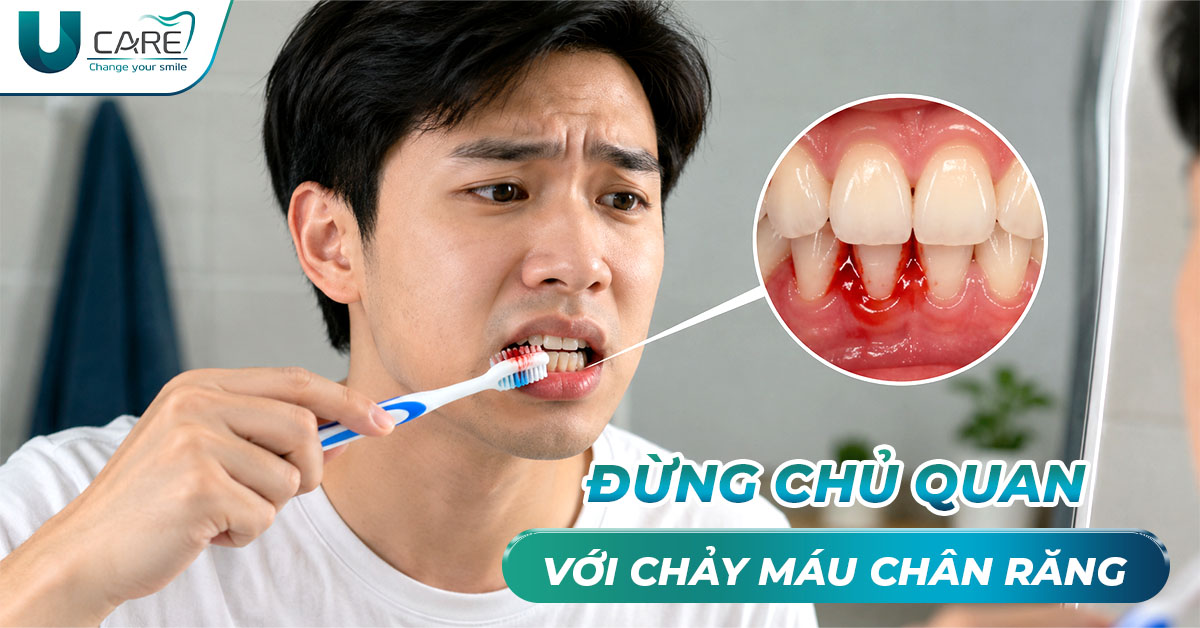
If your gums bleed frequently while brushing or eating hard foods, this may indicate periodontal disease.
Chronic Bad Breath
Bacteria inside periodontal pockets often create unpleasant odors that persist even after careful oral hygiene.
Swollen or Receding Gums
Healthy gums are usually light pink. If your gums become swollen, painful, or start receding, you should have your periodontal health checked as soon as possible.
Sensitive or Loose Teeth
As periodontal disease progresses, the supporting tissues and surrounding bone gradually become damaged, causing teeth to feel sensitive or loose.
What Happens If It Is Left Untreated?
Many people think bleeding gums are not serious. However, if the cause is periodontal disease, delaying treatment may lead to serious complications.
Jawbone Loss
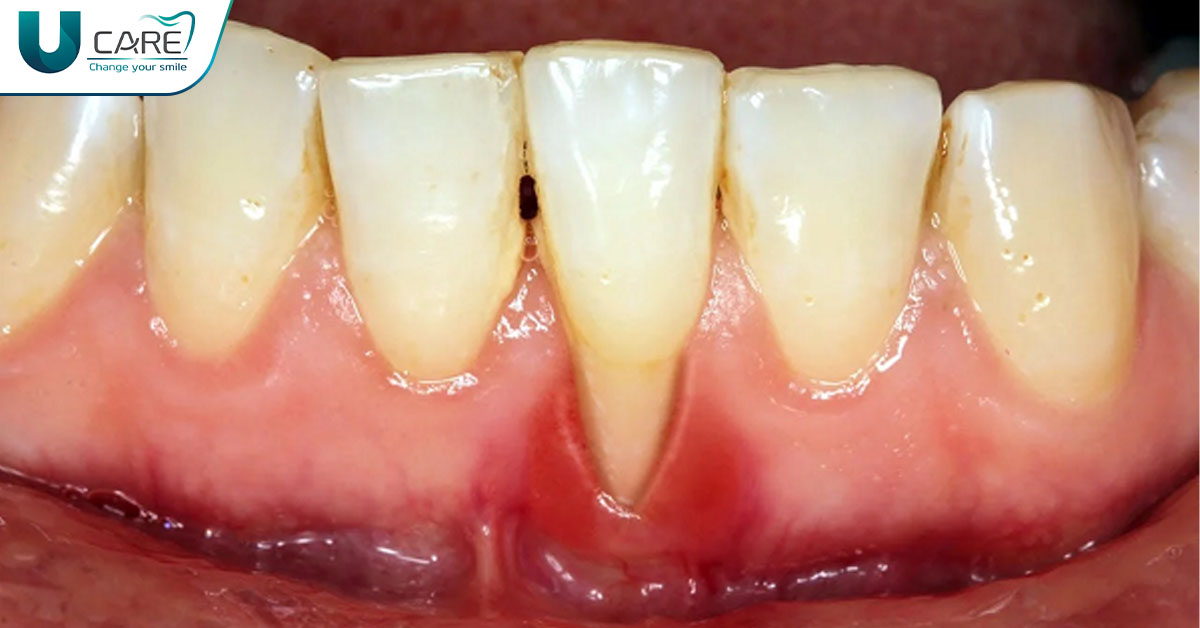
Periodontal bacteria can gradually destroy the bone supporting the teeth. Once bone loss occurs, recovery becomes very difficult.
Loose Teeth and Tooth Loss
When supporting tissues weaken, teeth gradually lose stability and may eventually fall out.
Affects Appearance and Chewing Ability
Receding gums, bad breath, and tooth loss not only affect appearance but also reduce overall quality of life.
That is why early detection and proper gum treatment are extremely important for preserving natural teeth.
How Does FOTONA Deep Clean Help?
When bacteria and tartar have accumulated deep beneath the gums, regular cleaning may no longer be sufficient. This is when a deep clean procedure is recommended.
What Is Deep Clean?
Deep clean is an advanced cleaning method performed below the gumline to remove bacteria, tartar, and inflamed tissue inside periodontal pockets.
The goals of deep cleaning include:
- Cleaning periodontal pockets
- Controlling inflammation-causing bacteria
- Supporting gum recovery
- Reducing the risk of disease progression
How Does FOTONA Laser Technology Help?
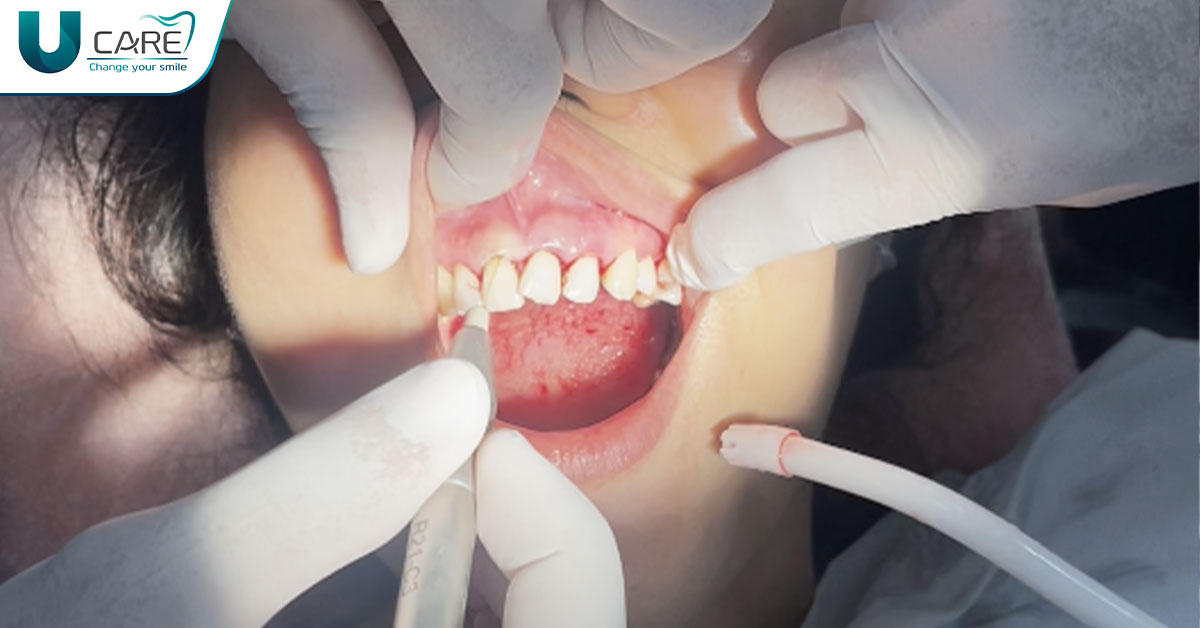
Today, many dental clinics use FOTONA laser technology in gum treatment procedures to improve cleaning effectiveness.
During a laser deep cleaning procedure, the laser targets inflamed areas to:
- Remove bacteria below the gums
- Support sterilization
- Reduce inflammation and bleeding
- Stimulate soft tissue recovery
Compared to traditional methods, laser deep cleaning often provides a gentler experience and supports faster healing.
Who Should Get Regular Deep Cleaning?
Not everyone needs frequent deep cleaning. However, certain groups should undergo regular periodontal checkups and consider advanced cleaning when necessary.
People with Frequent Bleeding Gums
If bleeding occurs repeatedly, you should have your gum health examined early.
People with Persistent Bad Breath
Bad breath despite careful oral hygiene may be related to bacteria below the gumline.
People Showing Signs of Periodontal Disease
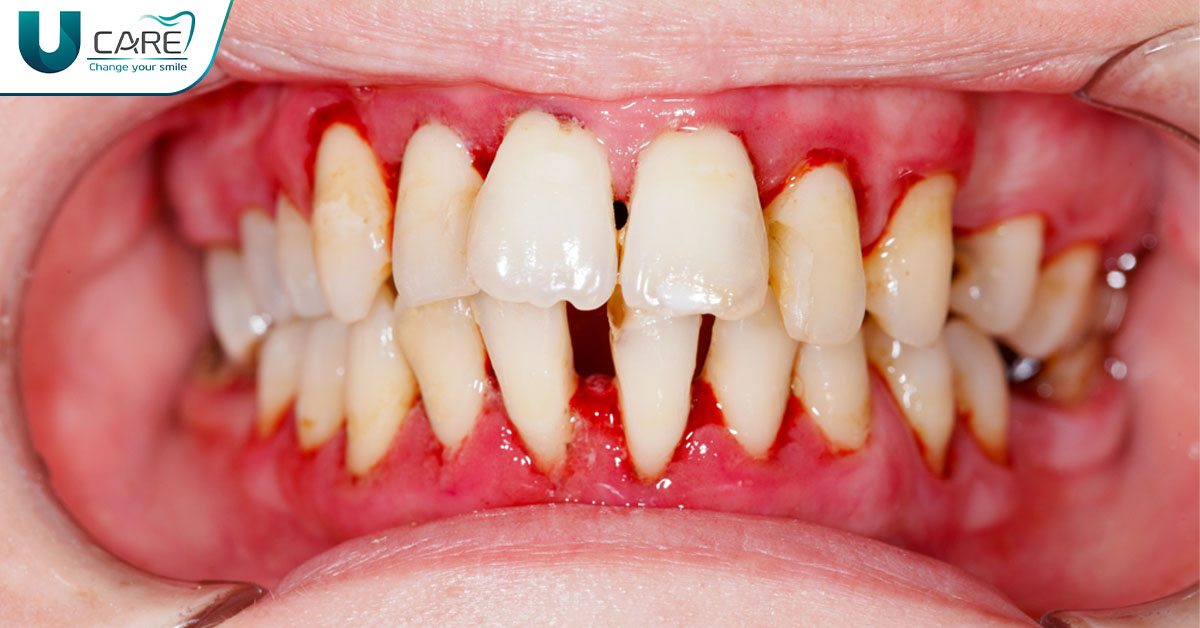
Those with swollen gums, gum recession, or loose teeth should monitor their periodontal health regularly.
People with Heavy Tartar Buildup
Long-term tartar accumulation increases the risk of gum inflammation and periodontal disease.
FAQ
Can Bleeding Gums Go Away on Their Own?
If the cause is gingivitis or periodontal disease, the condition usually will not disappear without proper treatment.
Is Deep Clean Painful?
When combined with FOTONA laser technology, discomfort and sensitivity are often significantly reduced.
How Often Should You Check Your Gum Health?
Periodontal checkups are recommended every three months or earlier if unusual symptoms appear.
Conclusion
Bleeding gums are not simply an oral hygiene issue – they may also be an early warning sign of periodontal disease. Without timely treatment, the disease can lead to bone loss, loose teeth, and permanent tooth loss.
Today, deep clean procedures combined with FOTONA laser technology are becoming a modern solution for supporting gum treatment, controlling bacteria, and improving periodontal health more effectively.
If you are experiencing persistent bleeding gums or signs of gum inflammation, schedule an early dental checkup at UCARE to receive the most suitable treatment solution.
 487B Nguyen Dinh Chieu, Ban Co Ward, HCM City
 Hotline/Zalo: 0932 092 702 – 0914 830 117
 Fanpage: Ucare Dental Website: Nha Khoa Ucare Google Map: Ucare Dental
