





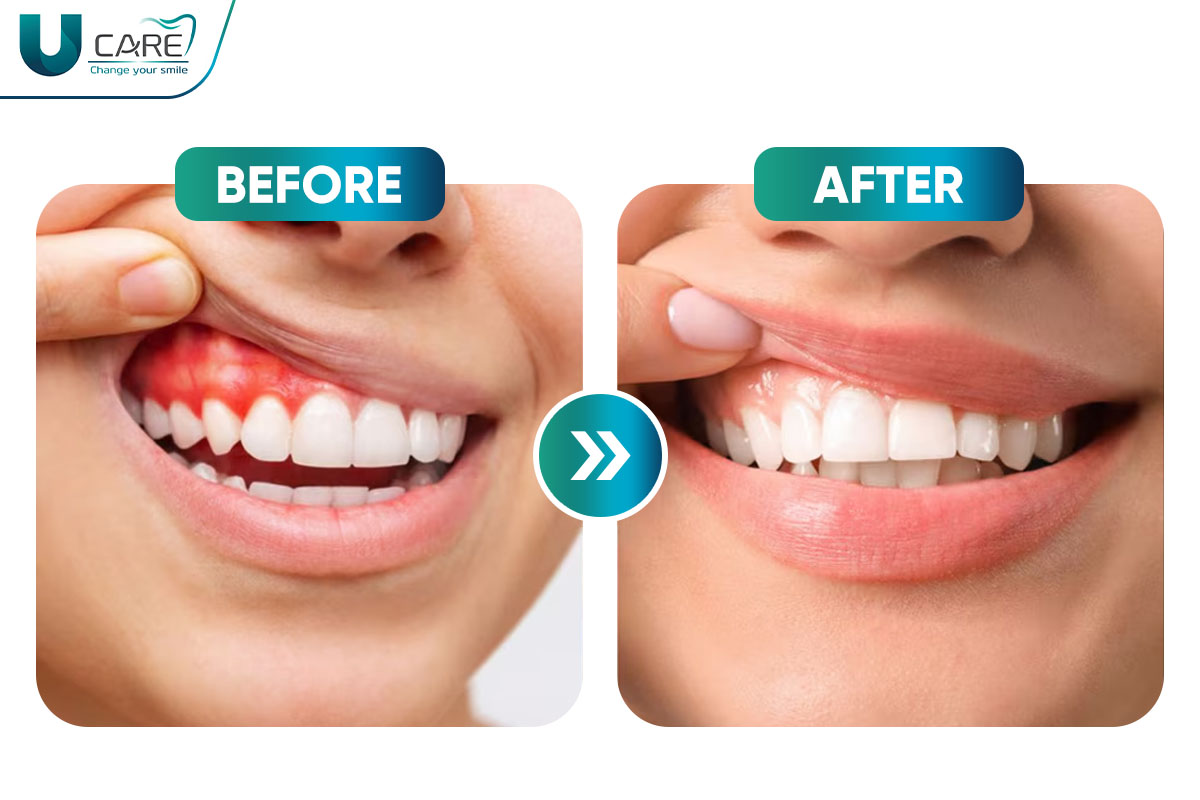
Many people only pay attention to regular tartar removal without properly caring for their gum health. Meanwhile, symptoms such as bleeding gums, persistent bad breath, or swollen red gums may be early warning signs of periodontal disease. Once bacteria penetrate deep below the gumline, regular cleaning methods are often no longer effective enough.
That is why the deep clean procedure has become increasingly important in dental care and periodontal treatment support. In particular, laser deep cleaning with the FOTONA laser system is becoming a modern trend thanks to its ability to clean deeply, minimize discomfort, and support effective gum tissue recovery.
So, what exactly is deep clean, how is it different from regular teeth cleaning, and when is it necessary? Let’s explore in detail below.
What Is Deep Clean?
Dental deep cleaning is an advanced cleaning procedure performed below the gumline to remove bacteria, plaque, and tartar buildup around tooth roots and periodontal pockets. It is an important step in supporting periodontal treatment and preserving natural teeth long-term.
Normally, bacteria do not only stay on the tooth surface but can also develop deep underneath the gums. If not treated promptly, they can form periodontal pockets, causing gum inflammation, bone loss, and eventually loose teeth.
Unlike routine oral hygiene care, dental deep cleaning focuses on areas that toothbrushes and dental floss cannot easily reach.
A typical deep clean procedure may include:
- Removing tartar below the gumline
- Eliminating bacteria inside periodontal pockets
- Cleaning root surfaces
- Supporting gum inflammation reduction
- Controlling the risk of bacterial reinfection
Today, many modern dental clinics combine the FOTONA laser into the deep cleaning process to enhance treatment effectiveness and provide a more comfortable patient experience.
How Is Deep Clean Different from Regular Teeth Cleaning?
Many people confuse deep cleaning with regular tartar removal. However, these are completely different procedures in terms of purpose and treatment depth.
Regular Teeth Cleaning
Regular teeth cleaning is a routine hygiene procedure designed to remove plaque and tartar above the gumline. It is a basic dental care step that helps prevent cavities and mild gum inflammation.
This method is suitable for:
- People without signs of periodontal disease
- Individuals needing routine oral hygiene care
- Those wanting to reduce plaque buildup
Dental Deep Cleaning
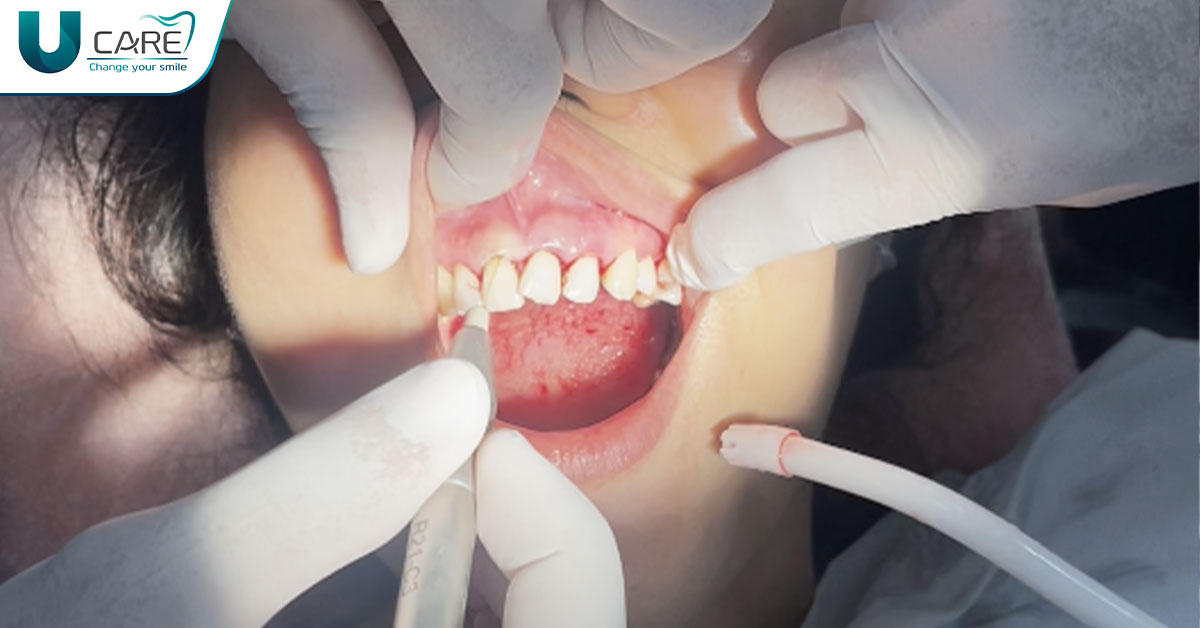
Meanwhile, deep cleaning is a specialized treatment performed below the gumline for people showing signs of gum disease or periodontal problems.
Deep cleaning not only removes tartar but also treats bacterial buildup beneath the gumline – the primary cause of chronic periodontal inflammation.
| Criteria | Regular Teeth Cleaning | Dental Deep Cleaning |
| Purpose | Routine hygiene | Advanced deep cleaning |
| Cleaning Area | Above the gumline | Above and below the gumline |
| Suitable For | Healthy individuals | People with periodontal symptoms |
| Treatment Level | Basic | Advanced |
| Supporting Technology | Ultrasonic scaler | Can combine FOTONA laser |
If bacteria have already spread deep beneath the gums, regular tartar removal alone may not stop inflammation from progressing silently.
When Do You Need Deep Clean?
Not everyone requires deep cleaning. However, if you experience the following symptoms, you should visit a dental clinic for an early examination.
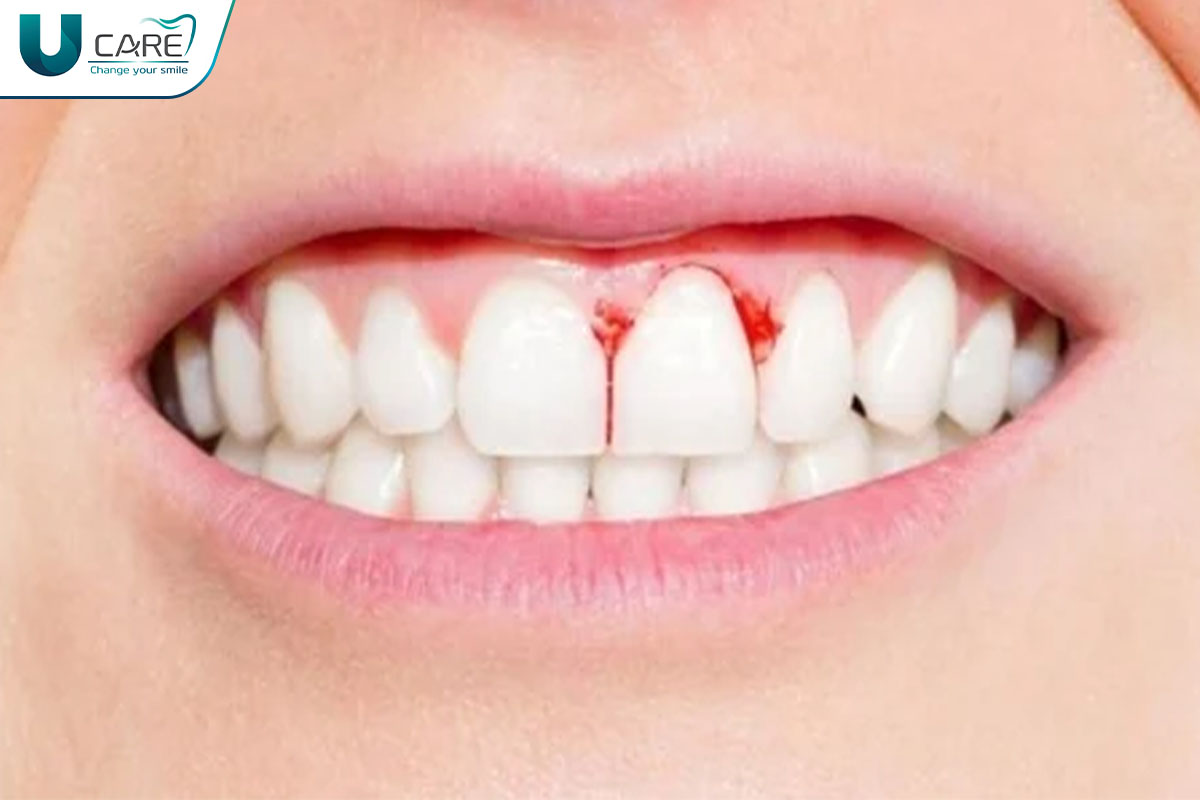
Bleeding Gums
Bleeding while brushing is one of the most common signs of gum inflammation. Many people assume it is caused by brushing too hard and ignore it.
However, if bleeding continues regularly, bacteria may already be accumulating beneath the gums and damaging periodontal tissues.
Deep cleaning helps eliminate bacterial pockets below the gumline where routine cleaning methods cannot effectively reach.
Persistent Bad Breath
Chronic bad breath, even after careful brushing, may originate from bacteria inside periodontal pockets. Anaerobic bacteria beneath the gums often produce unpleasant odors that persist over time.
In many cases, mouthwash only masks the smell temporarily instead of addressing the root cause.
Laser deep cleaning helps remove bacteria deep below the gums and supports fresher breath more effectively.
Receding or Swollen Gums
Healthy gums are usually light pink and fit tightly around the teeth. If your gums become swollen, red, painful, or start receding, this may indicate progressing periodontal disease.
Without timely treatment, the condition may lead to:
- Jawbone deterioration
- Loose teeth
- Permanent tooth loss
Deep cleaning plays an important role in controlling infection and preserving natural teeth.
How Does FOTONA Laser Deep Cleaning Work?
The FOTONA laser is a modern dental laser technology widely used in oral care and periodontal treatment support.
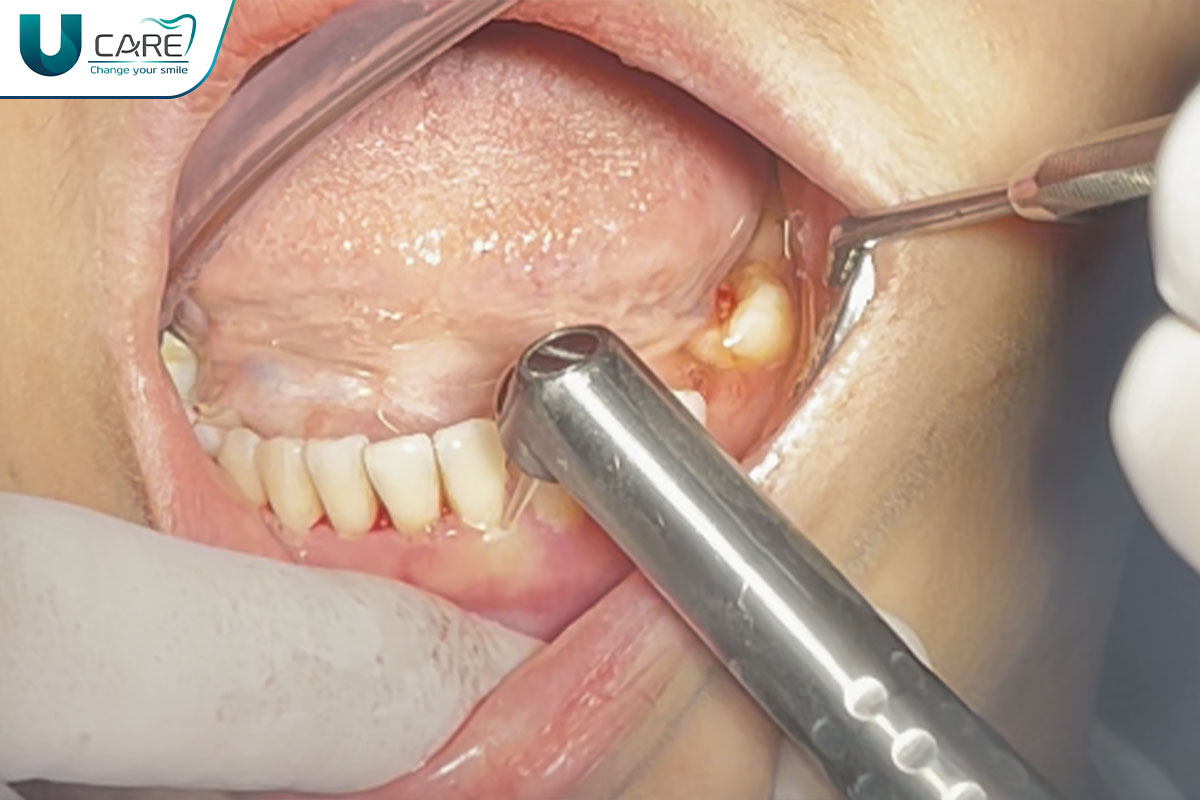
During a laser deep cleaning procedure, the laser directly targets periodontal pockets to:
- Eliminate inflammation-causing bacteria
- Remove infected tissue
- Sterilize areas below the gumline
- Support bleeding control
- Stimulate gum tissue recovery
Unlike traditional methods that rely only on mechanical tools, laser technology can reach deeper into periodontal pockets and improve bacterial control effectiveness.
One major advantage of the FOTONA laser is its minimally invasive effect on soft tissues. As a result, patients often experience greater comfort during treatment.
In addition, laser technology also helps:
- Reduce inflammation
- Minimize bleeding
- Reduce sensitivity
- Support faster recovery
This is why more patients are choosing laser deep cleaning over traditional techniques.
Benefits of FOTONA Deep Cleaning at UCARE
At UCARE, the FOTONA laser is applied to improve cleaning efficiency and optimize patient experience.
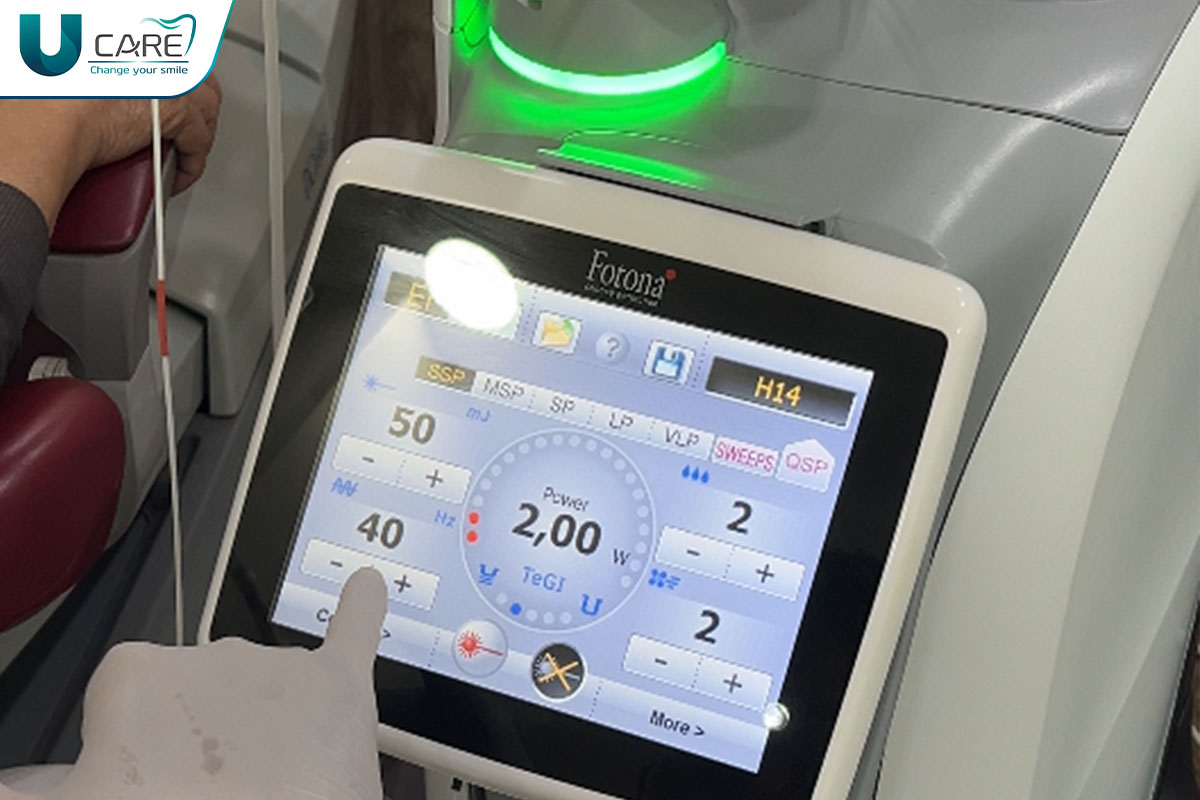
Key benefits include:
- Deep cleaning with minimal gum tissue damage
- Reduced pain and sensitivity during treatment
- Faster gum recovery support
- Lower risk of reinfection
- Gentle and modern treatment process
The dental team at UCARE carefully evaluates each patient’s periodontal condition and creates a personalized treatment plan for optimal results.
Deep Clean Procedure at UCARE
The dental deep cleaning procedure at UCARE follows a professional step-by-step process.
1. Examination and Periodontal Assessment
Dentists evaluate gum condition, measure periodontal pockets, and determine the level of inflammation.
2. Oral Cleaning
Plaque and tartar above the gumline are cleaned before performing advanced deep cleaning.
3. FOTONA Laser Deep Cleaning
Specialized equipment combined with laser technology is used to clean below the gums and support sterilization.
4. Post-Treatment Care Guidance
Patients receive instructions on proper oral care to maintain long-term results.
FAQ
Is Deep Clean Painful?
When combined with FOTONA laser technology, discomfort and sensitivity are usually significantly reduced compared to traditional methods.
How Long Does Deep Clean Take?
Treatment time depends on the severity of periodontal inflammation and usually ranges from 30 to 90 minutes.
Is Recovery Time Needed After Deep Clean?
Most patients can return to normal activities immediately after treatment. However, very hot or hard foods should be avoided during the first 24 hours.
How Often Should You Check Your Gum Health?
Periodontal checkups are recommended every three months or earlier if unusual symptoms appear.
Conclusion
Deep cleaning is not only an advanced oral cleaning method but also an important solution for supporting periodontal treatment and preserving natural teeth long-term. Early treatment of symptoms such as bleeding gums, persistent bad breath, or swollen gums can help reduce the risk of bone loss and tooth loss.
With the support of FOTONA laser technology, modern laser deep cleaning has become gentler, more advanced, and more comfortable for patients.
If you are experiencing gum problems or suspect signs of periodontal disease, schedule an early consultation at UCARE to receive the most suitable treatment solution.
 487B Nguyen Dinh Chieu St, Ban Co Ward, HCM City.
 Hotline/Zalo: 0932 092 702 – 0914 830 117
 Fanpage: Ucare Dental Website: Nha Khoa Ucare Google Map: Ucare Dental
