




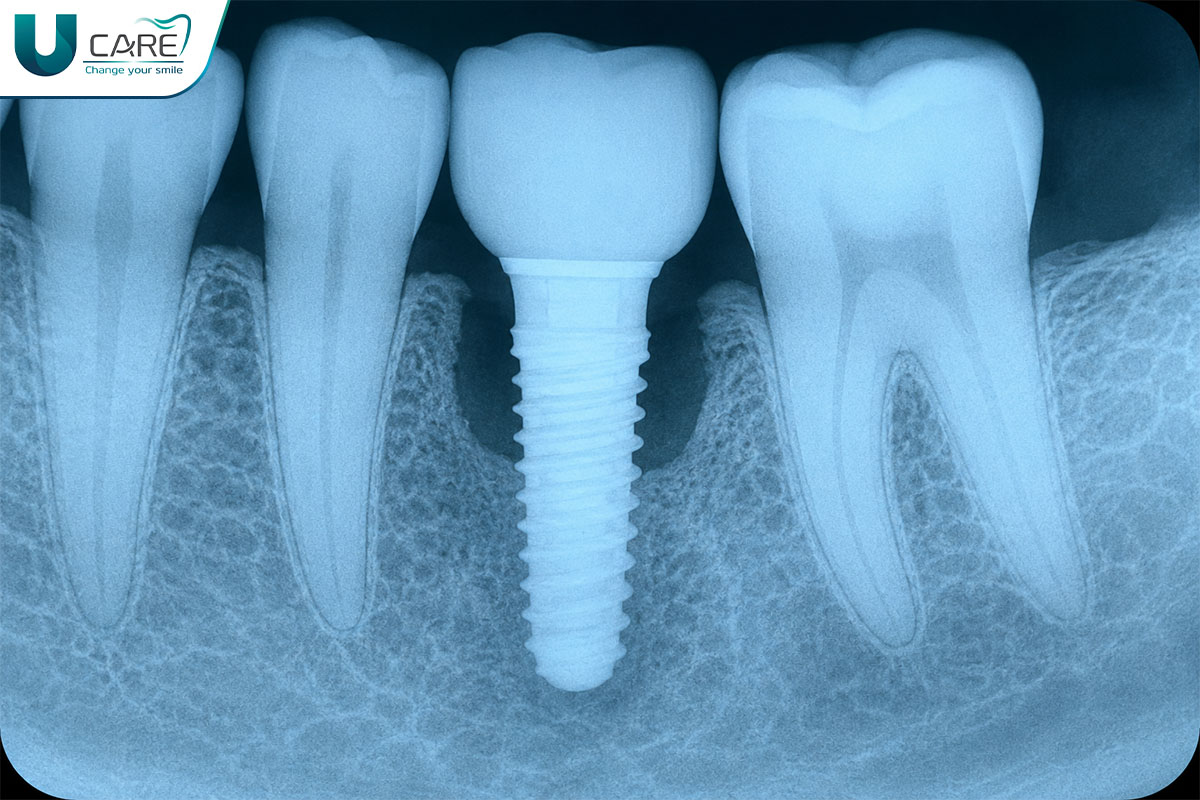
Dental implants are currently one of the most popular solutions for replacing missing teeth thanks to their natural appearance and chewing function similar to real teeth. However, not everyone understands that implants can still develop complications if they are not cared for properly. One of the most common complications is peri-implantitis.
At first, this condition may only appear as mild swelling or bleeding around the implant, so many people tend to ignore it. However, if not detected and treated early, peri-implantitis can lead to bone loss and reduce implant stability over time.
Today, many modern dental clinics apply FOTONA laser technology to support bacterial removal around implants and improve inflammation more effectively.
So, what does it mean when an implant becomes inflamed? What are the warning signs, and how is it treated? Let’s explore in detail below.
What Is Peri-Implantitis?
Peri-implantitis is an inflammatory condition affecting the gum tissue and bone surrounding a dental implant.
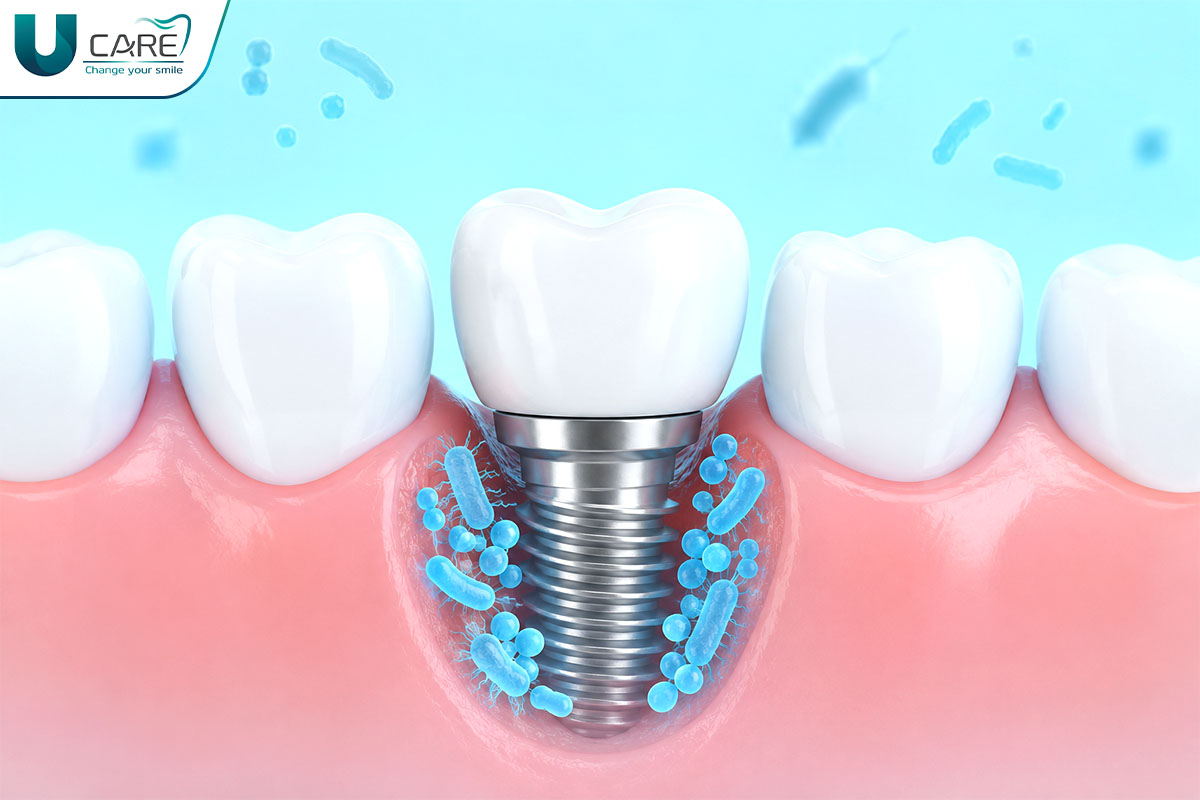
After implant placement, the gum tissue and jawbone integrate with the titanium implant to create stability. However, if bacteria accumulate around the implant for a long period, the surrounding tissue may become infected.
At first, inflammation usually develops only in the soft tissue around the implant. If not treated promptly, bacteria can spread deeper into the supporting bone and cause bone loss around the implant.
This is why peri-implantitis is considered a serious complication that requires close monitoring after implant placement.
In some cases, peri-implantitis progresses silently, and patients only notice it once the implant begins to loosen.
Signs That an Implant Is Inflamed
Recognizing the early signs of an inflamed implant can improve the chances of controlling the condition and preserving the implant successfully.
Bleeding
One of the most common signs of peri-implantitis is bleeding while brushing or touching the implant area.
Healthy gums around implants are usually firm and do not bleed easily. If the gum tissue around the implant becomes irritated or bleeds frequently, it may indicate inflammation.
In many cases, patients assume it is only mild irritation after eating and do not seek treatment.
Bad Breath
Bacteria accumulating around implants can create persistent unpleasant odors even with good oral hygiene.
If you experience chronic bad breath or a strange taste around the implant area, you should have it checked early to rule out peri-implantitis.
Loose Implant
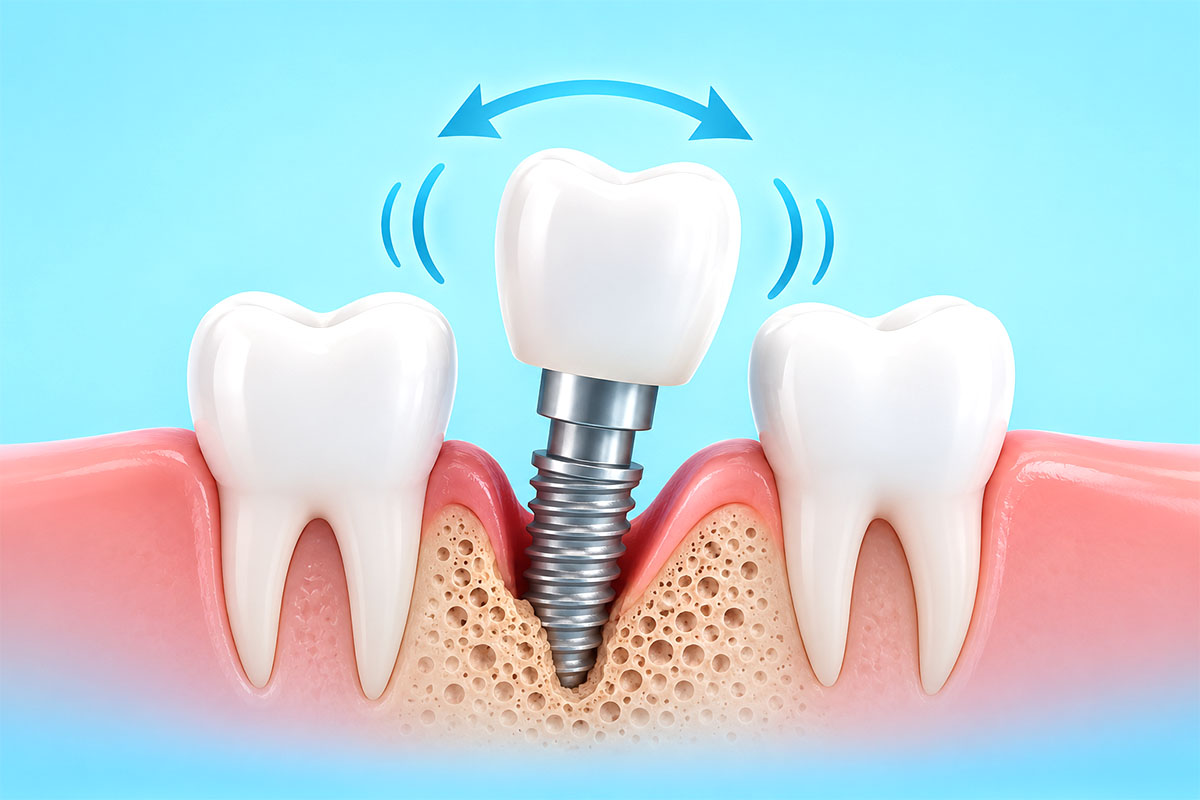
This is a serious warning sign showing that inflammation may already be affecting the supporting bone around the implant.
As the bone gradually deteriorates, the implant loses stability and may eventually fail if treatment is delayed.
Additional symptoms may include:
- Swollen or red gums around the implant
- Pain or discomfort while chewing
- Pus around the implant
- Unusual sensitivity or pressure feeling
Causes of Peri-Implantitis
There are several causes of peri-implantitis, with bacterial buildup around the implant being the most common.
Poor Oral Hygiene
If plaque and bacteria are not cleaned effectively, the gum tissue surrounding the implant can easily become inflamed.
Many people mistakenly believe that implants do not require as much care as natural teeth.
Smoking
Smoking increases the risk of gum inflammation and negatively affects healing around implants.
It is also one of the major factors that increase the long-term risk of implant failure.
Previous Periodontal Disease
Patients with a history of periodontal disease are more likely to develop inflamed implants if bacterial control is poor.
Skipping Regular Checkups
After implant placement, regular dental visits are important for monitoring gum health and detecting early signs of inflammation.
Without regular checkups, peri-implantitis may progress silently for a long time.
How Dangerous Is Implant Inflammation?
Many people assume that peri-implantitis is only a minor issue. However, without early treatment, this complication can directly affect the lifespan of the implant.
Bone Loss Around the Implant
Inflammation-causing bacteria can gradually destroy the bone supporting the implant.
Once significant bone loss occurs, the implant becomes much less stable.
Increased Risk of Implant Failure
When the implant loses stability, the dentist may need to remove it to control the infection.
This not only affects appearance and chewing ability but can also increase future treatment costs.
Impacts Daily Activities and Eating
Pain, swelling, or a loose implant can make eating and daily activities uncomfortable.
That is why early diagnosis and proper treatment play a critical role in preserving implants long-term.
How Does FOTONA Laser Support Treatment?
Today, many modern dental clinics use FOTONA laser technology to support the treatment of peri-implantitis more effectively.
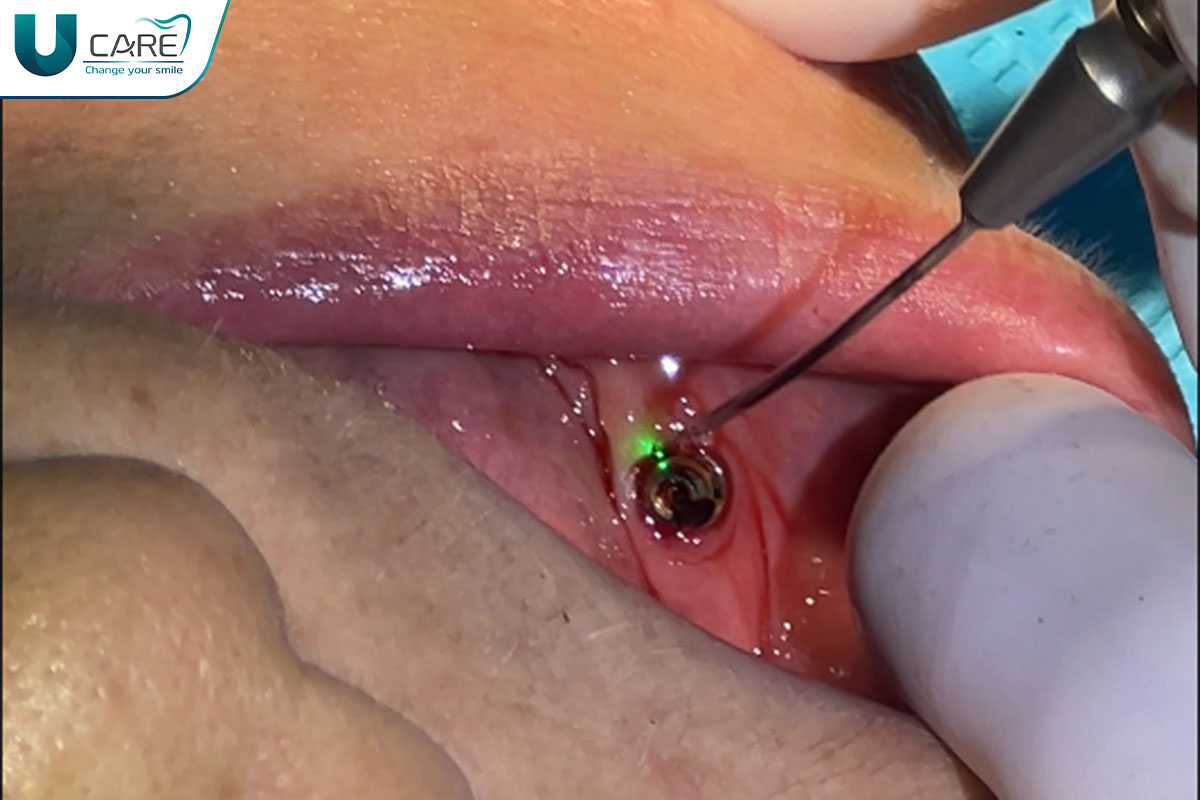
Helps Clean Bacteria Around the Implant
The laser targets inflamed areas around the implant to help remove bacteria and infected tissue.
This improves bacterial control compared to traditional mechanical cleaning alone.
Minimizes Soft Tissue Damage
One advantage of FOTONA laser technology is its minimally invasive treatment approach.
As a result, the gum tissue around the implant is often less irritated after treatment.
Supports Inflammation Reduction and Gum Recovery
The laser also helps reduce swelling and stimulate soft tissue healing around the implant.
Many patients feel that the treatment process is gentler compared to traditional methods.
However, treatment effectiveness still depends on the severity of inflammation and how early the condition is detected.
FAQ
Can Peri-Implantitis Be Treated?
If detected early, peri-implantitis can often be controlled effectively and help preserve the implant.
Does an Inflamed Implant Need to Be Removed?
Not every case requires implant removal. It depends on the level of bone loss and the ability to control the infection.
How Often Should Implants Be Checked?
Implants should generally be checked every three months or earlier according to the dentist’s recommendation.
Do Implants Still Require Careful Cleaning?
Yes. Implants still require proper oral hygiene care just like natural teeth to reduce the risk of infection.
Conclusion
Peri-implantitis is a complication that should never be ignored after dental implant placement. Symptoms such as bleeding, bad breath, or implant looseness may be early warning signs of inflammation around the implant.
Without timely treatment, peri-implantitis can lead to bone loss and directly affect the durability of the implant.
Today, FOTONA laser technology is becoming a modern solution for supporting bacterial control and improving peri-implant inflammation more effectively.
If you suspect your implant may be inflamed, schedule an early examination at UCARE to receive proper evaluation and treatment consultation.
 487B Nguyen Dinh Chieu, Ban Co Ward, HCM City
 Hotline/Zalo: 0932 092 702 – 0914 830 117
 Fanpage: Ucare Dental Website: Nha Khoa Ucare Google Map: Ucare Dental
